
How much damage can a small roof leak really cause? More than many homeowners expect. According to the Insurance Information Institute, water damage and freezing account for nearly 29% of all homeowners insurance claims, making water-related problems one of the most common reasons homeowners file a claim.
A few drops may seem harmless today, but continued moisture can gradually affect roofing materials, insulation, ceilings, walls, and even areas that are difficult to see.
We often think of a leak as something that needs attention only when water is pouring through the ceiling. In reality, early action can help prevent a minor roofing issue from developing into a much larger repair.
In this guide, we will look at why small roof leaks deserve prompt attention, what damage they can cause, which warning signs to watch for, and when a repair may no longer be enough.
Small Roof Leaks Can Let Moisture Spread
Water does not always travel straight down from the point where it enters the roof.
Once moisture gets beneath shingles, flashing, or other roofing materials, it can move along roof decking, framing, insulation, and other surfaces before eventually becoming visible inside the home. This means the spot where you notice a ceiling stain may not be directly below the original source.
That is one reason small leaks can be deceptive.
A leak that produces only an occasional drip can still allow moisture to enter whenever it rains. Even if the ceiling appears dry between storms, roofing materials may continue to absorb or retain moisture.
Over time, repeated exposure can contribute to:
- Deterioration of roof decking
- Damage to wood framing
- Wet or compressed insulation
- Staining and deterioration of ceilings
- Moisture damagearound walls
- Peeling paint and damaged drywall
- Conditions that support mold growth
The longer moisture remains present, the more areas it can affect.
Roofing Materials Can Deteriorate Gradually
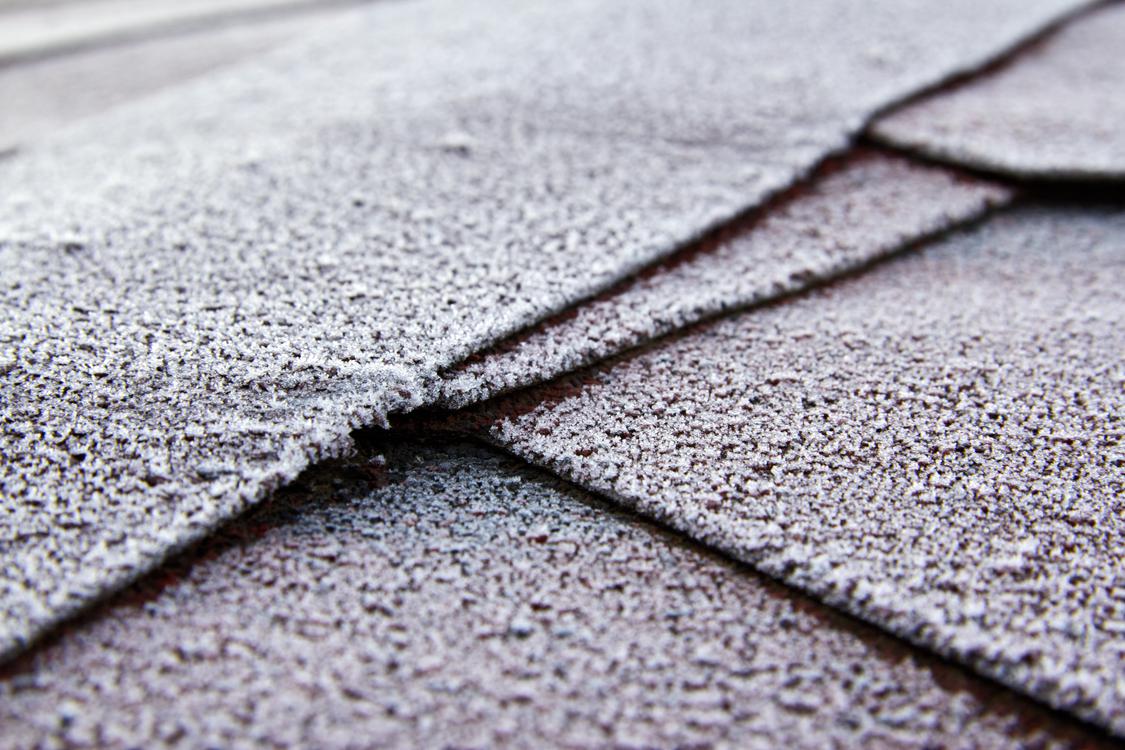
A roof is designed to keep water outside the home, but its protective layers can become vulnerable when water finds an opening.
Damaged shingles, worn flashing, cracked seals, deteriorated vent components, and gaps around roof penetrations can all provide opportunities for water to enter. A small opening may not produce an obvious interior leak immediately, particularly during light rain.
However, repeated exposure can weaken materials around the affected area.
Roof decking is particularly important because it provides structural support beneath the roofing system. If moisture repeatedly reaches the decking, the wood can deteriorate over time. In some cases, what began as a simple roofing repair may eventually require more extensive work.
This is why we should not judge a leak solely by how much water we see inside the house.
Insulation Can Be Affected Too
When water enters a roof assembly, insulation can become part of the problem.
Wet insulation may lose some of its effectiveness, while trapped moisture can take time to dry. Depending on the type of insulation and the extent of the moisture exposure, prolonged dampness can affect its condition and contribute to poor indoor comfort.
Homeowners may notice that certain rooms feel different from others, particularly after periods of wet weather. A roof leak may not always be the first suspected cause, but moisture above a ceiling can affect the surrounding area.
Addressing the source early gives us a better opportunity to prevent moisture from spreading into additional parts of the roof assembly.
Ceiling Stains Are More Than Cosmetic Problems
A brown or yellow mark on the ceiling can be easy to dismiss as an old stain.
But a ceiling stain may indicate that water has entered the home at some point. If the source remains active, the discoloration can grow or return after rainfall.
Other warning signs may include:
- Bubbling or peeling paint
- Soft spots in drywall
- Discoloration around light fixtures
- Damp or musty odors
- Visible water droplets
- Sagging sections of ceiling
- Stains that become darker after rain
These signs do not necessarily reveal the full extent of the problem. The visible damage may only represent the point where moisture has finally become noticeable.
Delaying Repairs Can Make the Problem More Complicated
One reason homeowners postpone dealing with small roof leaks is that the immediate problem may not seem serious.
A bucket under an occasional drip may appear to solve the situation temporarily. Yet the bucket only collects water after it has already entered the home.
Meanwhile, moisture may continue affecting materials above the ceiling.
As the problem progresses, the work required to correct it may become more involved. A roofing professional may need to address damaged shingles, flashing, decking, insulation, drywall, or other affected components.
In some cases, a roof repair can resolve the problem. In others, the overall condition and age of the roofing system may point toward roof replacement instead.
What Should We Do When We Notice a Leak?
Prompt action does not necessarily mean panic. It means taking the warning sign seriously.
1. Identify visible signs
Look for stains, damp areas, peeling paint, or dripping water, particularly after rain.
2. Limit interior damage
Move furniture and belongings away from affected areas and place a container beneath active drips where practical.
3. Do not assume the visible spot is the source
Water can travel through roofing and building materials before appearing indoors.
4. Have the roof assessed
A professional inspection can help determine whether the issue involves a localized repair or indicates broader roofing deterioration.
5. Address related damage
If insulation, drywall, decking, or framing has been affected, those materials may also need attention.
Taking these steps early can help us prevent a small roofing concern from turning into a much larger household problem.
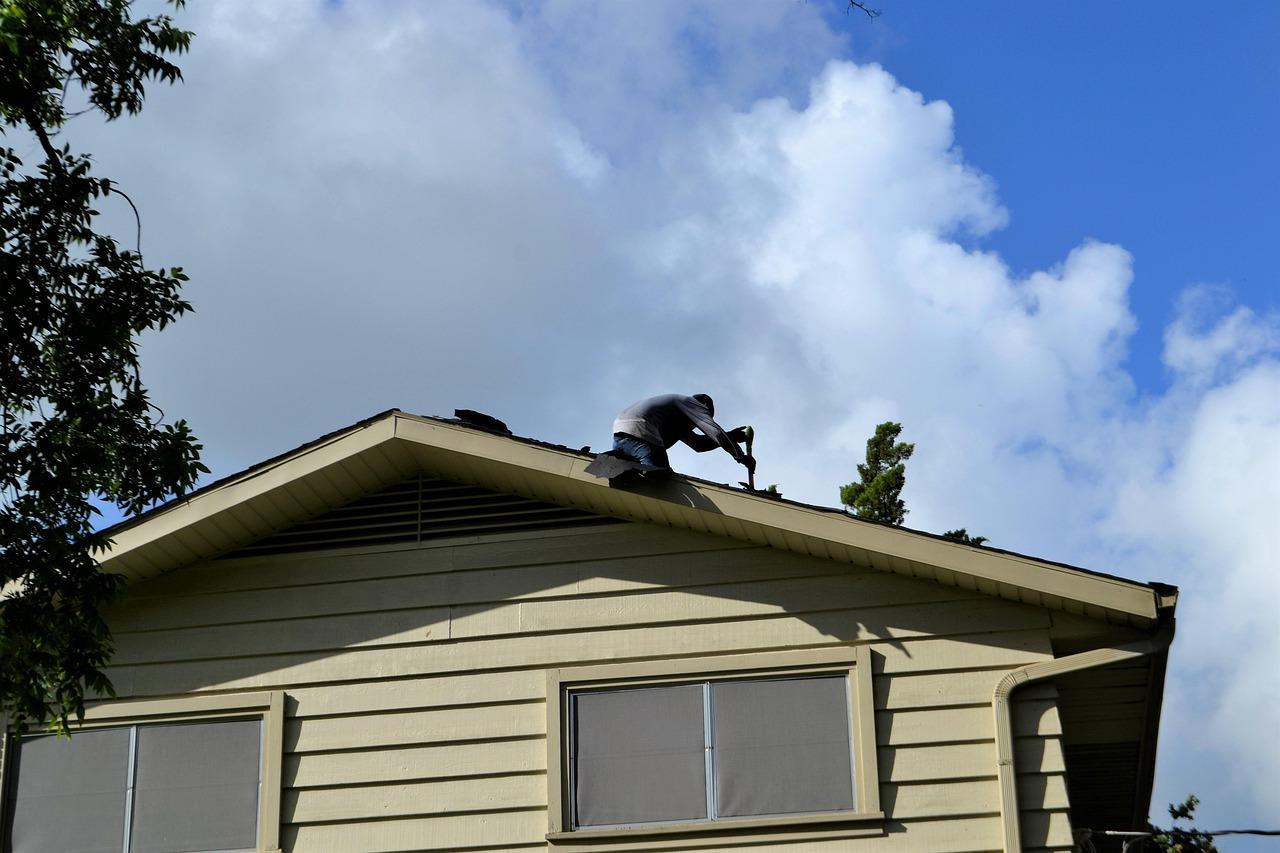
A Small Drip Today Does Not Have to Become a Major Repair
What if the first drip from your ceiling is actually the easiest moment to address the problem?
By the time water damage becomes obvious, moisture may already have reached materials above the ceiling or inside the roof assembly. Acting promptly can help reduce the opportunity for that damage to spread.
For homeowners who need professional help, Empire Renovations provides roofing services for properties in and around Caldwell, ID, with experience addressing problems that can range from localized leaks to larger roofing needs. If you are considering roof replacement in Caldwell, ID, or need help determining whether an existing roof can be repaired, our team can assess the situation and help identify the appropriate next step.
If you have noticed a recurring stain, damp ceiling, missing roofing material, or any other sign of water intrusion, contact Empire Renovations to arrange an assessment. Working with experienced roofing contractors in Caldwell, ID can help you address the source of the problem before a small leak has more time to affect your home.