
What happens when fresh paint is applied over dirt, peeling layers, cracks, or an uneven surface? Even high-quality paint can struggle to adhere properly and may begin peeling, cracking, or looking uneven sooner than expected. Sherwin-Williams notes that inadequate surface preparation can be directly linked to up to 80% of coating failures.
For us, surface preparation before painting is about creating the right foundation for the finish. It can affect how the paint adheres, looks, performs, and lasts.
Clean Surfaces Help Paint Adhere
Paint needs a clean, dry surface to bond properly. Dust, grease, dirt, mildew, and other contaminants can interfere with adhesion and leave the finished coating vulnerable to premature failure.
Cleaning should therefore happen before other preparation work begins. Depending on the surface, this may involve:
- Removing dust and loose debris
- Washing away dirt and grease
- Treating mildew where appropriate
- Allowing the surface to dry completely
Skipping this step can leave contaminants trapped beneath the new coating.
Scraping Removes Weak Paint
Old paint that is already loose, cracked, or peeling cannot provide a reliable base for a new finish. Scraping helps remove unstable material so the new coating can bond to a sound surface.
We also need to pay attention to areas where previous paint has lost adhesion. Simply covering them with another layer does not address the underlying problem.
For older homes, additional care may be necessary. The EPA reports that approximately three-quarters of U.S. homes built before 1978 still contain some lead-based paint. Disturbing such paint during renovation can create hazardous dust, so appropriate lead-safe practices are important.
Sanding Creates a Better Foundation
Sanding can smooth rough areas, reduce visible imperfections, and help coatings adhere to certain surfaces. Glossy surfaces can be particularly challenging because paint may have difficulty bonding to them without appropriate preparation.
The goal is not simply to make a surface feel smooth. It is to create a consistent base that supports an even, durable finish.
Patching and Priming Matter Too
Small holes, cracks, dents, and other imperfections can become more noticeable after painting. Patching helps restore a more uniform surface, while sanding those repairs can help blend them into the surrounding area.
Primer can also serve an important purpose when the surface or existing coating requires it. It can help improve adhesion, provide a consistent base, and prepare the surface for the finish coat.
Good Preparation Supports Better Results
When we approach surface preparation before painting, we focus on the condition underneath the finish, not just the appearance of the final coat. That means cleaning, scraping, sanding, repairing, priming, and checking the surface before paint is applied.
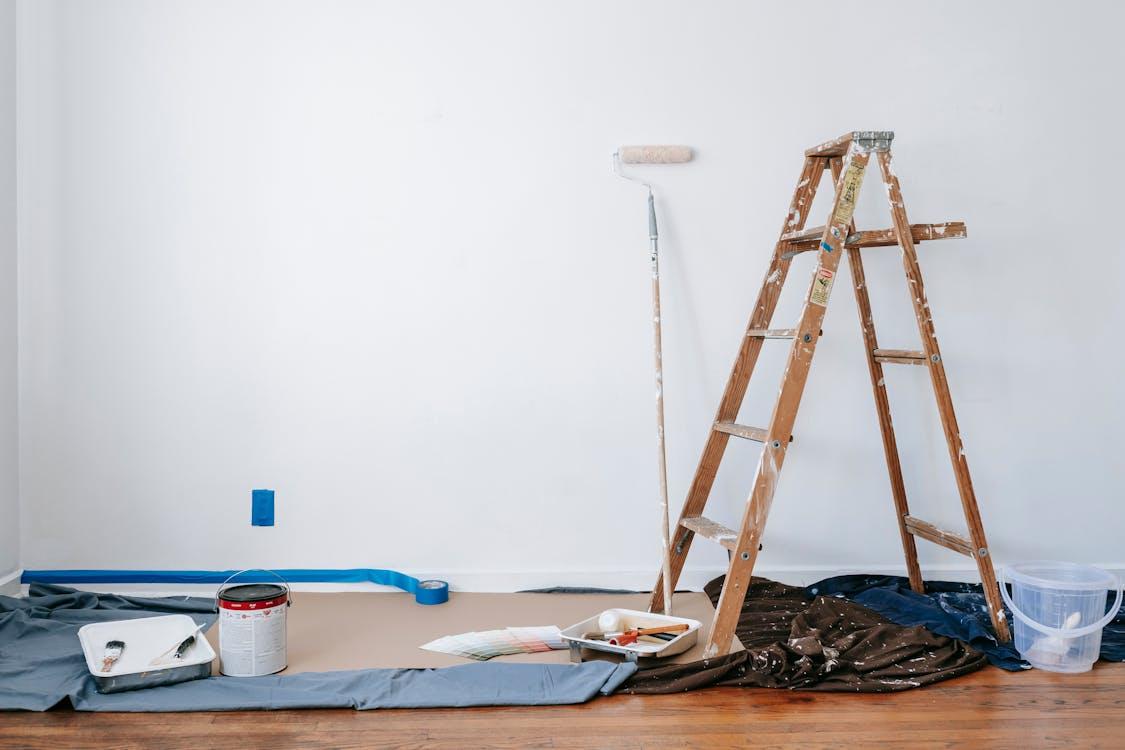
The Foundation Behind a Better Finish
Could the quality of a paint job depend as much on what happens before painting as the painting itself? A smooth, clean, properly prepared surface gives the finish a stronger foundation and can help reduce problems such as peeling, cracking, and uneven coverage.
At Empire Renovations, we bring that preparation-focused approach to homeowners seeking professional painting services in Kuna, ID. If you need a painter in Eagle, ID, we can help address surface problems before they become visible through the finished coating. Contact Empire Renovations to discuss your project and get a professional approach focused on preparation, application, and a lasting finish.