
When is it time to replace a roof, and what actually happens next?
How does a home transform from aging shingles to a brand-new roofing system without chaos taking over the entire property? That is the question many homeowners face when signs of wear start to show. Most roofing issues begin with small, ignored damage that gradually develops into major structural concerns over time. That delay often leads to more extensive work later.
A roofing system is one of the most important protective layers of any home, and once it reaches the end of its service life, planning a full replacement becomes less of an option and more of a necessity.
This is where a structured, well-planned process matters. A full roof replacement project is not just about swapping materials. It involves inspection, preparation, removal, installation, and final quality checks that ensure long-term durability. We often see homeowners unsure about what the process includes or how long it takes.
Empire Renovations is a trusted name for reliable roofing and exterior work, delivering durable solutions designed to protect and strengthen homes for years to come.
This guide walks through each stage of the process so expectations are clear from the start. It covers everything from the initial inspection to cleanup, along with how roofing decisions are made along the way.
The First Inspection And What Professionals Look For
Every roofing project starts with a detailed assessment. Before any physical work begins, roofing specialists evaluate the current condition of the structure to determine what is really happening beneath the surface.
During this stage, attention is given to:
- Shingle condition and surface wear
- Moisture damage or staining
- Structural sagging or uneven areas
- Ventilation performance
- Flashing integrity around chimneys and vents
This inspection helps determine whether a roof repair in Meridian, ID is sufficient or whether a complete replacement is the more reliable long-term option. Small issues might be fixable, but widespread deterioration usually signals that repairs alone will not provide lasting protection.
Homeowners are typically given a detailed breakdown of findings so they can understand the condition of their roof in practical terms. This stage sets the direction for everything that follows.
Understanding Your Roofing Options Before Work Begins
Once the inspection is complete, the next step involves reviewing possible solutions based on the roof’s condition, age, and material type. Not every roof requires the same approach, and decisions are based on long-term performance rather than short-term fixes.
In some cases, minor upgrades or targeted repairs may extend the life of the structure. In others, a more complete approach is recommended, especially when materials are past their expected lifespan or damage is widespread.
At this stage, homeowners may also discuss material preferences, energy efficiency goals, and durability expectations. These decisions play a major role in shaping the outcome of the project and ensuring the new system aligns with long-term needs.
One common option involves roof installation in Meridian, ID, particularly when older roofing systems are fully removed and replaced with modern materials designed for improved weather resistance and longevity.
Preparing The Home For A Full Roofing Project
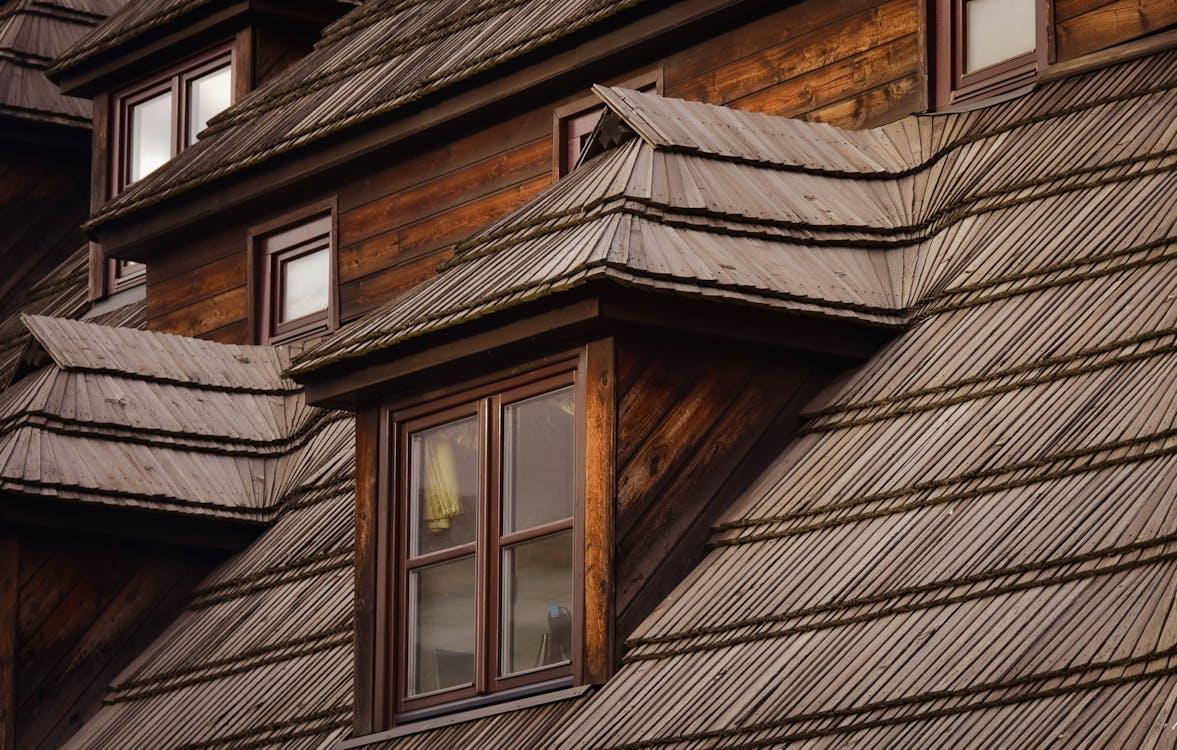
Preparation is a step many people underestimate, but it plays a major role in keeping the process smooth and efficient. Before work begins, the property is typically prepared both inside and outside.
Key preparation steps often include:
- Moving outdoor furniture, grills, and décor away from the work zone
- Covering landscaping and sensitive areas to prevent debris damage
- Protecting attic items from dust or vibration
- Planning vehicle placement to allow equipment access
- Informing household members about expected noise levels
This stage ensures that the full roof replacement project can proceed without unnecessary interruptions or risks to property.
It also helps crews work more efficiently since the space is organized and accessible from the start.
Removing The Existing Roofing System
Once preparation is complete, the old roofing materials are carefully removed. This is one of the most active and labor-intensive stages of the process.
Roofing teams typically strip away:
- Old shingles or tiles
- Underlayment layers
- Damaged flashing materials
- Any weakened sections of decking if necessary
This step exposes the underlying structure, allowing professionals to inspect the decking for hidden damage that was not visible during the initial assessment.
If issues are found, repairs are completed before moving forward. This ensures the new roofing system is installed on a stable and secure foundation.
Structural Review And Surface Repairs
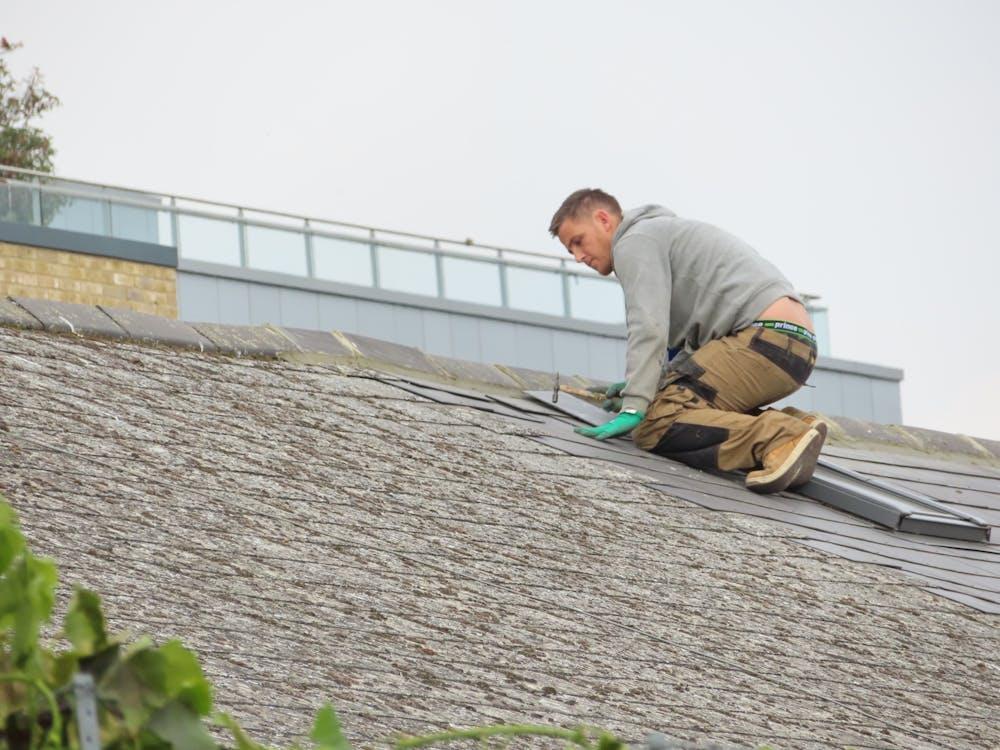
Once the old roofing materials are removed, the exposed roof deck often tells the real story of the roof’s condition. This stage is far more than a quick visual check. It is a detailed inspection that helps determine whether the structure underneath is still sound enough to support a new roofing system or whether deeper repairs are needed before anything new can be installed.
The roof deck, usually made of plywood or oriented strand board, is inspected panel by panel. Contractors look for signs of water intrusion such as dark staining, soft spots, or areas that feel spongy under pressure. Even small sections of rot can indicate a long-term leak that has been active for months or even years without being visible from inside the home. These weak areas cannot be covered up because they will continue to deteriorate and eventually compromise the new roof.
Another key focus is structural movement. Over time, framing members can shift due to weather, settling, or previous poor workmanship. Rafters and trusses are checked for cracks, sagging, or separation at connection points. If any framing is no longer properly aligned, it can create uneven roof surfaces that affect drainage and lead to premature wear on shingles or other coverings.
Moisture damage is one of the most common issues uncovered at this stage. When water gets beneath the outer layer, it can become trapped and slowly spread across multiple sections of the deck. In some cases, insulation and attic spaces may also show signs of condensation buildup. This often points to ventilation problems, which must be corrected to prevent the same damage from happening again after the new roof is installed.
Any compromised sections of wood are removed and replaced rather than patched. Small repairs might involve cutting out isolated damaged areas and installing new plywood sheets that match the existing thickness. In more severe cases, larger sections of the deck may need full replacement to restore uniform strength across the surface.
Reinforcement work may also be carried out if the structure shows signs of age or stress. This can include adding additional supports between rafters or strengthening joints to improve load distribution. These adjustments help ensure the roof can handle snow, wind, and seasonal temperature changes without shifting or weakening over time.
Ventilation is another critical factor assessed during this stage. Poor airflow in the attic can trap heat and moisture, which slowly damages the roof from underneath. Contractors often check soffit and ridge vent pathways to ensure air can move freely. If airflow is restricted, improvements are made before the new roof goes on.
By the time these repairs and corrections are complete, the roof is essentially reset to a stable foundation. This step is what ensures the new roofing system is not just covering old problems, but is built on a strong and reliable base that will perform properly for years.

Installing The New Roofing System
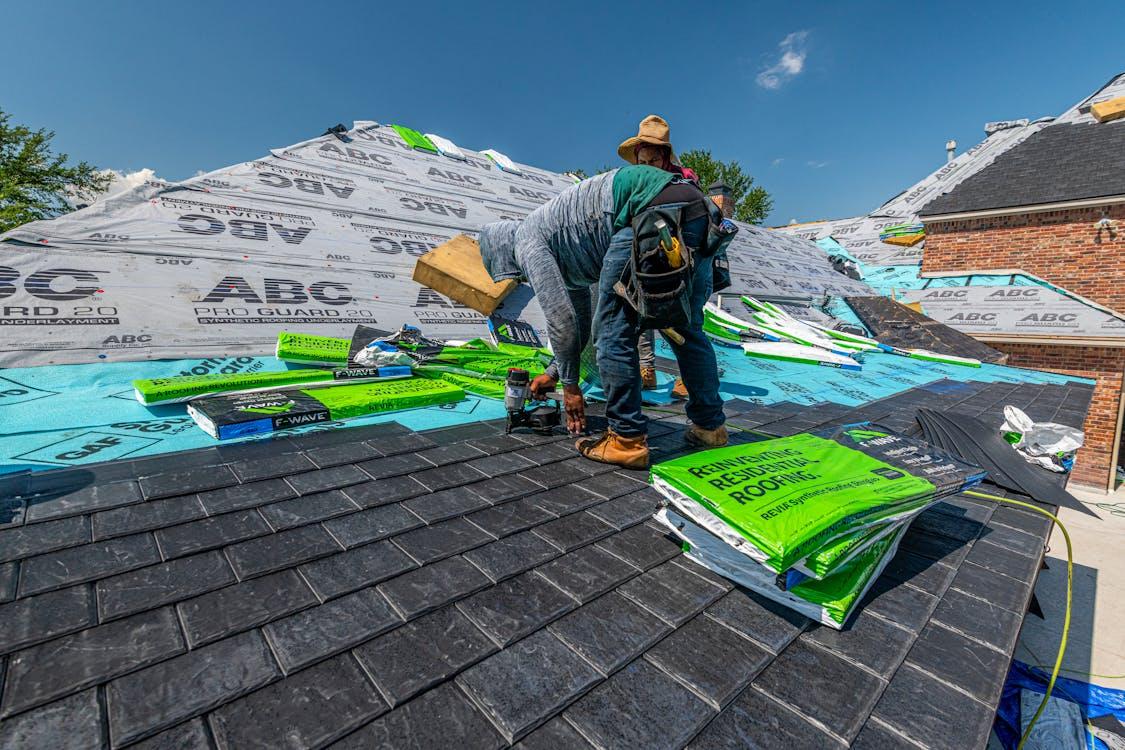
Once the structure is prepared, installation begins. This stage is where the home begins to take on a renewed appearance and protective strength.
The installation process typically includes:
- Laying high-quality underlayment for moisture protection
- Installing drip edges and flashing components
- Placing shingles or chosen roofing materials in structured layers
- Sealing vulnerable areas for weather resistance
- Ensuring proper alignment for water drainage
Every step is completed in sequence to ensure durability and consistent performance. Precision matters here, as small installation errors can affect long-term results.
A properly installed roof supports insulation efficiency, weather protection, and structural longevity.
Working With Experienced Roofing Professionals
Choosing the right team for the job is one of the most important parts of the process. Skilled roofing contractors bring experience, efficiency, and attention to detail that directly influence the outcome of the project.
Reliable roofing contractors in Meridian, ID typically handle:
- Project planning and scheduling
- Safety setup and equipment management
- Material handling and installation precision
- On-site quality checks throughout the process
- Final inspection and approval
Their role ensures that each phase of the project is completed correctly and that no step is overlooked. This level of oversight helps reduce delays and improves overall results.
Timeline Expectations During The Project
While every roofing project is different, most follow a predictable sequence. The timeline depends on roof size, material choice, and weather conditions.
A typical process includes:
- Initial inspection and planning
- Preparation and site setup
- Removal of old roofing materials
- Structural inspection and repairs
- Installation of new roofing system
- Final inspection and cleanup
Each stage builds on the previous one, ensuring that the final result is stable and long-lasting.
Homeowners are often surprised by how quickly the visible transformation occurs once installation begins, even though preparation and removal take significant effort.
Weather Considerations And Project Adjustments
Weather plays a significant role in roofing schedules. Rain, strong winds, or extreme temperatures can affect timing and workflow. Roofing teams monitor conditions closely to ensure safe and effective progress.
If weather conditions shift unexpectedly, adjustments may be made to protect exposed areas of the roof. Temporary coverings are often used to prevent moisture exposure during the process.
This flexibility helps maintain quality standards without compromising the structure.
Final Inspection And Cleanup Process
Once installation is complete, a final inspection is conducted to confirm that all components are properly secured and aligned. This includes checking shingles, flashing, edges, and ventilation points.
After inspection, cleanup begins. This stage is just as important as installation because it restores the property to a clean and safe condition.
Cleanup typically includes:
- Removing leftover materials and debris
- Using magnetic tools to collect stray nails
- Clearing guttersand surrounding areas
- Inspecting landscaping for any remaining waste
The goal is to leave the property in excellent condition, with only the newly completed roof as evidence of the work done.
A Stronger Roof And A Clearer Sense Of Security
What does it feel like to know a home is fully protected from the top down? For most homeowners, it brings a renewed sense of stability and confidence in the structure itself.
A full roofing process is not just a construction task. It is a coordinated sequence of inspection, preparation, installation, and final checks that work together to strengthen the home for years ahead. Each step plays a role in ensuring durability and performance, from the first assessment to the final cleanup.
When homeowners are ready to take the next step, working with experienced professionals makes all the difference. A properly managed project ensures the work is completed efficiently, safely, and with attention to long-term results.
Empire Renovations provides support for homeowners who need dependable roofing solutions, including full roof replacement projects, repairs, and new installations.
Reaching out means getting clear guidance, reliable workmanship, and a roof built to perform when it matters most.