
Professional exterior house painting can do more than change a home’s color. When exterior surfaces begin peeling, fading, cracking, or showing general wear, a properly prepared paint system can improve their appearance while adding a protective layer. For homeowners considering painting services, understanding what painting can and cannot fix is an important part of planning the project.
Peeling and Flaking Paint
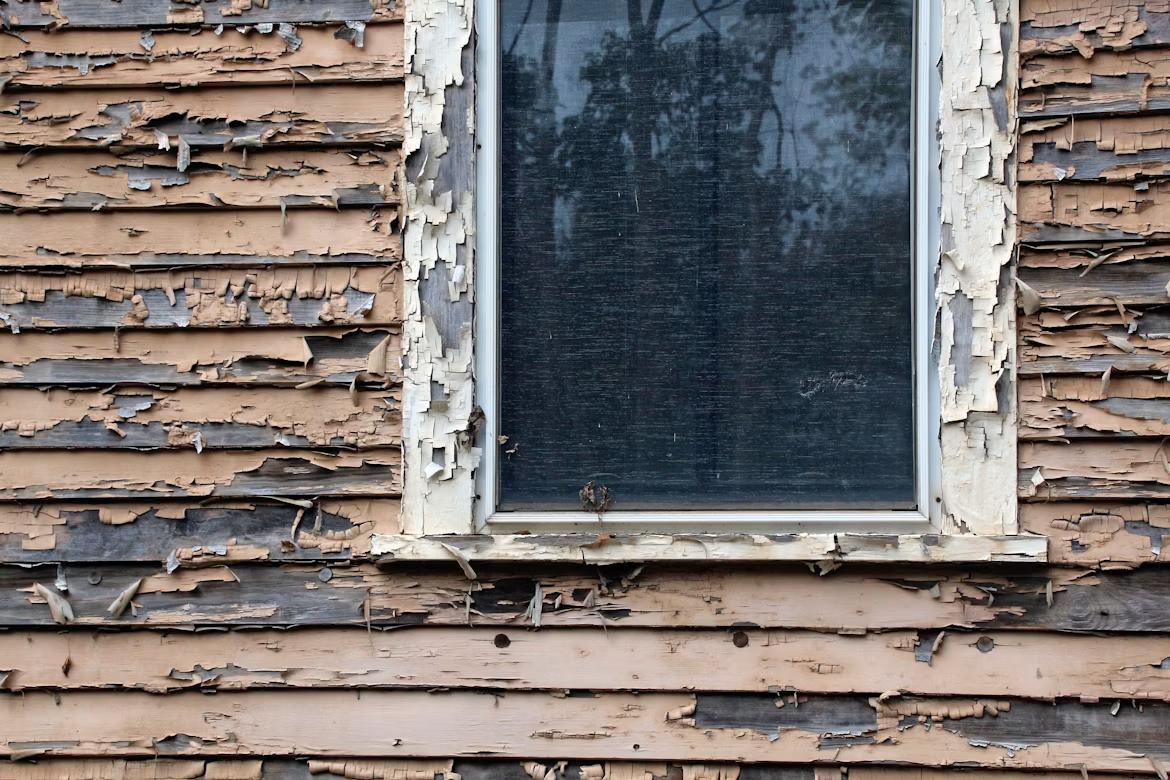
Peeling paint is one of the most noticeable exterior problems. It can develop when old coatings have aged, moisture has entered the surface, preparation was inadequate, or incompatible products were previously applied. Professional painters can remove loose material, prepare the surface, address suitable minor defects, and apply compatible primer and paint. This creates a more stable finish than simply painting over areas that are already failing.
Faded and Discolored Surfaces
Sun exposure, rain, temperature changes, and time can cause exterior colors to lose their original appearance. Fading may be particularly visible on walls that receive strong sunlight throughout the day. A new coating can restore a consistent color and give siding, trim, doors, and other painted areas a cleaner appearance. Selecting an appropriate exterior product also helps the new finish handle normal outdoor exposure.
Minor Cracks and Surface Wear
Small cracks and minor surface imperfections can make an otherwise sound exterior look neglected. Depending on the material and severity, preparation may include scraping, sanding, filling suitable cracks, and priming affected areas. Paint can then provide a smoother, more uniform appearance. However, significant structural cracks should be evaluated and repaired appropriately before painting begins.
Weathered Wood
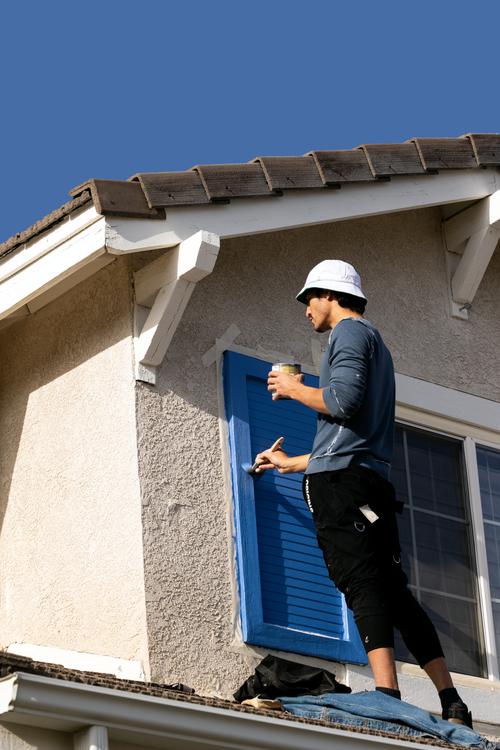
Wood siding, trim, shutters, and other exterior components can become dry, weathered, or rough after years of exposure. Professional preparation can remove failing coatings and loose fibers while creating a cleaner surface for new paint. Areas with rot or substantial deterioration generally require carpentry or material replacement rather than paint alone. Addressing those conditions first helps prevent the new finish from failing prematurely.
Stains and Uneven Appearance
Exterior walls can develop stains from dirt, water marks, smoke, biological growth, or previous repairs. Painting may improve these areas, but proper preparation matters. Surfaces should be cleaned and allowed to dry before coatings are applied. Some stains may also require an appropriate primer to prevent them from bleeding through the new finish. Covering a stain without addressing its source may only provide a temporary cosmetic result.
Chalky or Deteriorated Coatings
Older painted surfaces can sometimes develop a powdery residue called chalking. This condition can interfere with adhesion if it is not properly addressed. Cleaning and surface preparation can remove loose residue before primer and finish coats are applied. The right preparation helps the new coating bond to the existing surface and reduces the chance of early failure.
Trim and Detail Areas
Faded or worn trim can make a home appear older even when the main siding remains in reasonable condition. Painting window trim, doors, shutters, fascia, and other details can create a more consistent exterior appearance. These areas also require careful preparation because exposed edges, joints, and older coatings may be more vulnerable to moisture and wear.
What Paint Cannot Fix
Exterior paint is not a substitute for every type of repair. Rotten wood, active leaks, major cracks, damaged siding, loose masonry, and underlying moisture problems should be corrected before painting. A professional assessment can help identify conditions that require another trade or repair before the coating work begins.
Good preparation is often the difference between a short-lived cosmetic update and a finish that performs well over time. Cleaning, scraping, sanding, filling, priming, and selecting the right product for the surface can all affect the finished result.
Before work starts, a painter should inspect the substrate rather than treating issues as paint problems. This review can identify moisture entry, damaged caulking, failing sealants, or areas where repairs are needed.
When Exterior Painting Makes Sense
Professional painting can refresh a tired exterior while addressing several visible coating and surface problems. It can improve color consistency, cover properly prepared minor imperfections, and provide a fresh protective finish. The key is to treat underlying damage first and match preparation and products to the condition of the home.
If your property needs roofing services or painting services in Eagle, Empire Renovations can help assess the exterior and determine the appropriate preparation and painting approach. Contact us today.