
What if the very features meant to protect your home are quietly driving up your energy bills, reducing comfort, and lowering your property value?
Across the U.S., homeowners lose heating and cooling energy through inefficient roofs, walls, windows, and exterior finishes. That is not just a performance issue. It is a sign that many homes are overdue for a smarter, more strategic exterior upgrade.
We often focus on interiors because they are easier to see and change. But the exterior does the heavy lifting every single day. It shields against weather, regulates indoor temperatures, and shapes the first impression your home makes. When even one element underperforms, the entire system suffers.
That is where a coordinated home exterior upgrade becomes valuable. Rather than treating roofing, siding, and painting as separate tasks, we can approach them as a unified system designed for durability, efficiency, and curb appeal.
In this guide, we walk through how to upgrade your roof, improve exterior finishes, and choose the right materials and strategies to get long-term performance from your home.
Why Exterior Upgrades Deserve a System-Based Approach
Most homeowners handle repairs as they arise. A leak leads to roof repair. Peeling paint leads to repainting. Drafts lead to insulation fixes. While that approach solves immediate problems, it often misses the bigger picture.
Your home exterior works as a connected system:
- The roof manages water and heat
- The siding protects structure and supports insulation
- The paint acts as a barrier against moisture and UV exposure
- Ventilation regulates temperature and prevents buildup
When one part fails, others are affected. For example:
- Poor roofing ventilation can cause paint to peel faster
- Weak exterior coatings can allow moisture to reach structural layers
- An aging roof can reduce energy efficiency across the home
A full home exterior upgrade aligns all these elements for better performance and longer lifespan.
The Foundation of Every Upgrade: Assessing Your Current Exterior
Before planning improvements, we need a clear understanding of what is already in place.
Key Areas to Evaluate
1. Roofing Condition
- Missing or damaged shingles
- Signs of sagging or uneven surfaces
- Granule loss on asphalt roofing
- Leaks or water stains inside the attic
If any of these are present, it may be time to consider roof repair or even a full roof replacement rather than patchwork fixes.
2. Exterior Paint Performance
- Fading or chalking surfaces
- Cracking, bubbling, or peeling paint
- Mold or mildew buildup
- Uneven color or patchiness
These signs indicate the protective layer has weakened and needs attention through professional painting services.
3. Structural Integrity
- Rotting wood or trim
- Warped siding panels
- Gaps around windows and doors
- Visible moisture damage
4. Energy Efficiency Clues
- Drafty interiors
- High energy bills
- Ice dams in colder climates
- Excessive heat buildup in summer
Roofing: The Core of Exterior Performance
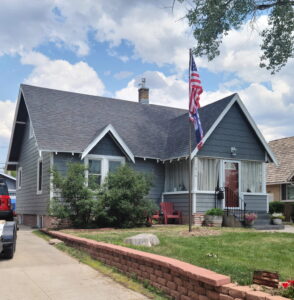
A roof does more than keep rain out. It plays a major role in insulation, ventilation, and structural protection.
When Roof Repair Is Enough
Minor issues can often be addressed through targeted roof repair when:
- Damage is limited to a small area
- The roof is relatively new
- The underlying structure is still strong
In such cases, working with experienced roofing contractors ensures repairs are done correctly and do not lead to recurring issues.
When to Consider Roof Replacement
There are times when repair is no longer the right solution:
- The roof is near the end of its lifespan
- Damage is widespread
- Multiple repairs have already been done
- Energy efficiency has dropped significantly
A full roof replacement provides an opportunity to upgrade materials and improve performance across the entire system.
Choosing the Right Roofing Material
Asphalt Shingles
- Cost-effective
- Easy to install
- Available in many styles
Metal Roofing
- Long lifespan
- Reflects heat effectively
- Requires less maintenance
Tile or Slate
- High durability
- Distinct appearance
- Higher upfront cost
Each option should be evaluated based on climate, budget, and long-term goals.
Roof Installation Done Right
Proper roof installation is just as important as the materials used.
What Makes Installation Effective
- Correct underlayment placement
- Proper flashing around openings
- Adequate ventilation systems
- Secure fastening methods
Even the best materials will fail if installation is not handled properly. That is why working with skilled roofing contractors matters.
Ventilation and Insulation
A well-installed roof includes balanced ventilation:
- Intake vents allow fresh air in
- Exhaust vents release heat and moisture
This prevents:
- Mold growth
- Ice dam formation
- Premature material failure
Exterior Painting: More Than Just Appearance
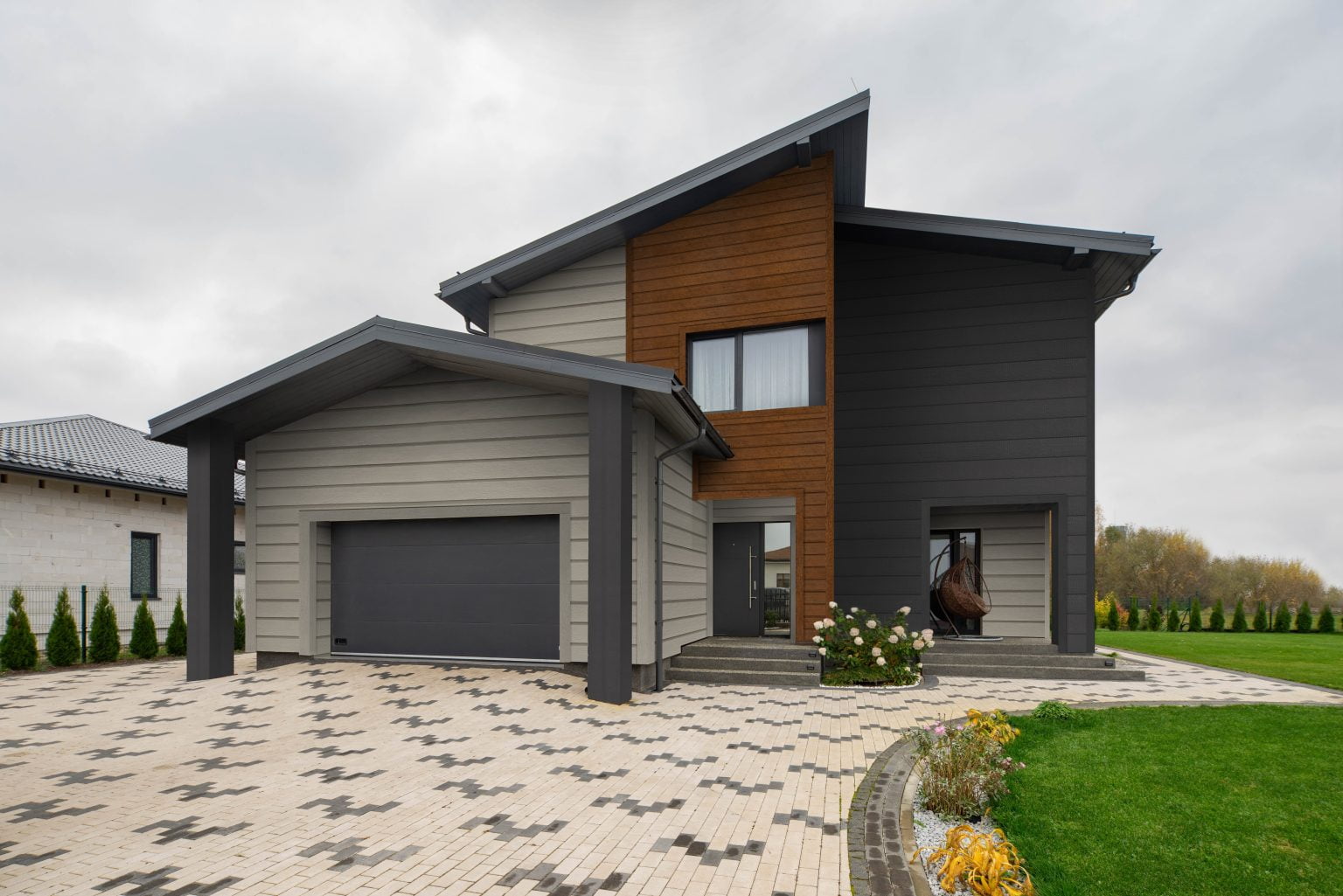
Paint is often viewed as a cosmetic upgrade, but it plays a protective role as well.
Benefits of High-Quality Exterior Painting
- Shields surfaces from moisture
- Protects against UV damage
- Prevents wood rot and corrosion
- Improves overall durability
Signs It Is Time for New Paint
- Fading color
- Visible cracks or peeling
- Moisture damage
- Surface discoloration
Hiring a professional painter ensures proper preparation, which is the most important step in achieving long-lasting results.
Surface Preparation: The Key to Long-Lasting Paint
Before applying paint, surfaces must be prepared thoroughly.
Essential Steps
- Cleaning dirt and debris
- Removing old, failing paint
- Repairing damaged areas
- Priming surfaces
Skipping these steps leads to premature failure, no matter how good the paint is.
Choosing the Right Exterior Paint
Not all paints perform the same.
Consider These Factors
- Weather resistance
- UV protection
- Moisture resistance
- Flexibility to handle temperature changes
Acrylic latex paints are often preferred for their durability and adaptability.
Coordinating Roofing and Painting for Better Results
Timing matters when upgrading your exterior.
Ideal Upgrade Sequence
- Roof installation or replacement
- Structural repairs
- Exterior painting
This sequence ensures:
- Paint is not damaged during roofing work
- Structural issues are addressed first
- Finishes are applied to stable surfaces
Improving Energy Efficiency Through Exterior Upgrades
A well-designed exterior reduces energy consumption significantly.
Key Strategies
1. Reflective Roofing Materials
- Reduce heat absorption
- Lower cooling costs
2. Insulated Siding
- Improves thermal performance
- Reduces energy loss
3. Proper Sealing
- Eliminates air leaks
- Enhances indoor comfort
4. Light-Colored Paints
- Reflect sunlight
- Reduce heat buildup
Boosting Curb Appeal with Smart Design Choices
First impressions are formed quickly, often before anyone steps inside. The exterior of a home sets expectations about what lies within. When design choices are intentional and well-coordinated, the entire property feels more refined, better maintained, and more valuable. A thoughtful home exterior upgrade is not just about making things look newer. It is about creating visual consistency, balance, and character that holds up over time.
Let’s break down the elements that have the greatest impact and how we can approach them with purpose.
Elements That Make a Difference
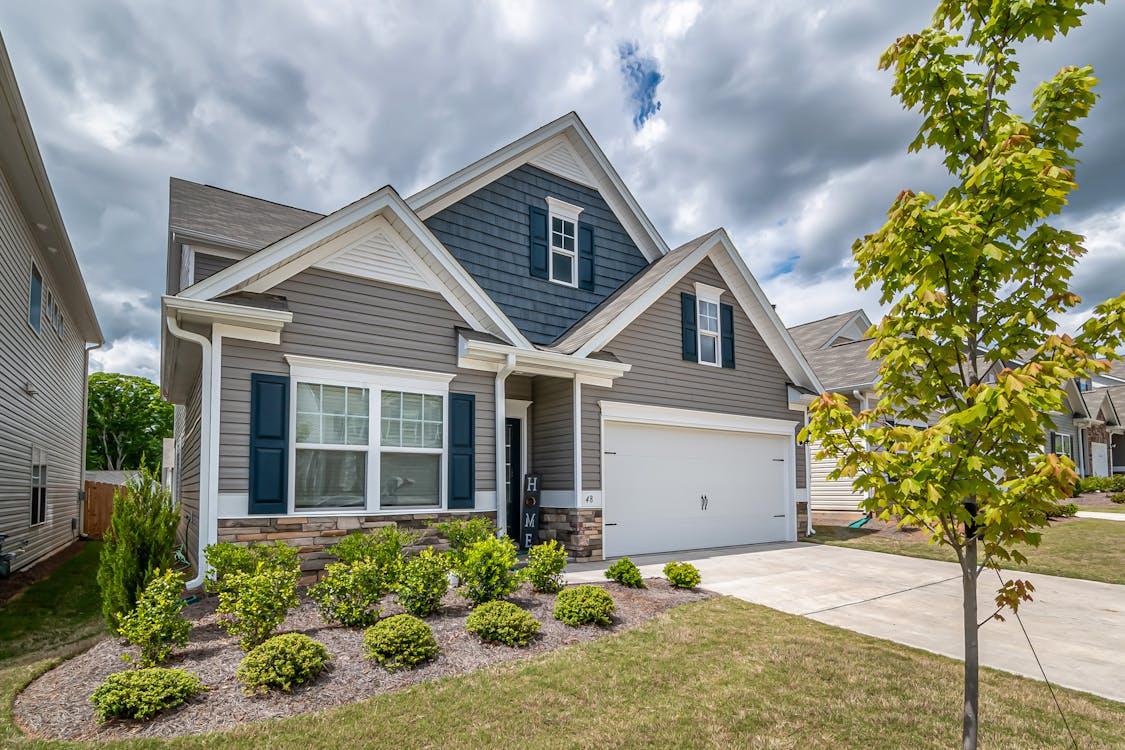
Coordinated Color Schemes
Color is one of the most powerful tools in exterior design. When colors work together, they create a sense of unity. When they clash, even high-quality materials can look out of place.
A coordinated scheme typically includes three main components:
- A primary color for siding or main surfaces
- A secondary color for trim and architectural details
- An accent color for doors, shutters, or focal points
The goal is to create contrast without chaos. For example, pairing a soft gray base with crisp white trim and a bold front door can create a clean and inviting look.
Consistency matters across all exterior elements. If the roof, siding, and painted surfaces feel disconnected, the overall appearance suffers. This is why roofing choices should also be considered alongside paint colors. Darker roofs often pair well with lighter exteriors, while lighter roofing materials can complement deeper tones.
Updated Trim and Accents
Trim may seem like a small detail, but it plays a major role in defining the structure of a home. It outlines windows, doors, rooflines, and edges, helping to highlight architectural features.
Over time, trim can become worn, faded, or outdated. Updating it can instantly refresh the appearance of the entire exterior.
Key areas to focus on include:
- Window and door frames
- Fascia and soffits
- Corner boards
- Decorative elements like shutters or brackets
Clean, well-painted trim creates sharp lines that make the home look more polished. It also helps tie together different materials, such as siding and roofing, into one cohesive design.
Accents should be used with intention. A bold front door, for instance, can serve as a focal point, drawing attention in a subtle but effective way.
Clean, Consistent Finishes
Consistency is what separates a home that looks “fine” from one that looks professionally upgraded. Even small inconsistencies can stand out more than expected.
Examples of inconsistencies include:
- Mismatched paint finishes
- Uneven sheen levels across surfaces
- Patchy repairs that do not blend properly
- Visible transitions between old and new materials
A clean finish means more than just fresh paint. It includes proper surface preparation, smooth application, and attention to detail. This is where professional painting services can make a noticeable difference, as preparation and technique directly affect how long the finish lasts.
Consistency should also extend to textures. If one section of siding is smooth and another is heavily textured, the contrast can feel unintentional unless it is part of a deliberate design choice.
Balanced Proportions
Balance in exterior design is about visual weight. Every element of the home, from the roof to the entryway, contributes to how the structure feels overall.
A home with balanced proportions feels stable and well-designed. One that lacks balance can feel awkward, even if each individual feature looks fine on its own.
Ways to create better balance include:
- Matching the scale of windows and doors to the size of the home
- Using trim to visually break up large wall areas
- Ensuring rooflines and overhangs feel proportional to the structure
- Avoiding overly large or overly small decorative elements
For example, a large front facade can benefit from multiple visual breaks, such as trim lines or color changes, to avoid looking flat. On the other hand, smaller homes often benefit from simpler designs that do not overwhelm the structure.
Color Selection Tips
Choosing the right colors involves more than personal preference. It requires considering how the home interacts with its environment, lighting conditions, and architectural style.
Use Neutral Base Colors
Neutral tones provide a strong foundation for most exterior designs. They tend to age well and appeal to a wide range of preferences.
Popular neutral options include:
- Soft grays
- Warm beiges
- Off-whites
- Muted taupes
These colors work well because they do not compete with other elements. Instead, they allow accents and details to stand out.
Neutral bases are also practical. They are less likely to show fading unevenly and can adapt to changes in surrounding features, such as landscaping or neighboring homes.
Add Contrast Through Trim
Contrast is what gives a home definition. Without it, everything can blend together and lose visual interest.
Trim is the easiest and most effective way to introduce contrast. Light trim against a darker base creates a crisp, classic look. Dark trim on a lighter base can feel more modern and bold.
The level of contrast should match the style of the home:
- Traditional homes often benefit from higher contrast
- Contemporary designs may use more subtle differences
Front doors are another opportunity for contrast. A rich color can draw attention without overwhelming the rest of the design.
Consider Surroundings and Lighting
A color that looks great on a sample card may appear very different once applied to an exterior surface. Lighting conditions play a major role in how colors are perceived.
Factors to keep in mind include:
- Sunlight exposure throughout the day
- Shade from trees or nearby structures
- Reflection from surrounding surfaces
- Seasonal changes in light
Homes in bright, sunny areas may benefit from slightly muted tones to avoid glare. In shaded areas, lighter colors can help the home feel brighter and more open.
Surroundings also matter. The exterior should complement its environment rather than compete with it. This includes:
- Landscaping elements like trees and gardens
- Neighboring homes
- Natural features such as stone or soil tones
Ready to Transform Your Home’s Exterior?
What would it mean for your home if every exterior element worked together to protect, insulate, and enhance its appearance?
That is the goal of a complete exterior upgrade. Instead of reacting to problems, we take control of how the home performs and how it looks for years to come.
When it comes to handling everything from residential roofing and roof installation to exterior painting and full-scale improvements, working with experienced professionals makes all the difference. Whether you are considering roof repair, planning a roof replacement, or searching for reliable roofing contractors or painting services in Boise, ID, having the right team ensures lasting results.
Empire Renovations brings together expertise in roofing services, exterior finishes, and long-term performance solutions. If you are ready to improve durability, increase efficiency, and refresh your home’s appearance, now is the time to take the next step and connect with a team that can turn your plans into reality.