
Have you ever wondered whether your roof is truly ready for freezing temperatures and heavy snowfall? Many home insurance claims in cold-weather regions are linked to preventable roof damage, often caused by issues that were visible long before winter arrived. That early warning window is exactly what homeowners tend to miss.
Before harsh weather sets in, we focus on helping property owners spot roof problems early so small concerns do not turn into expensive repairs. From visible shingle issues to hidden structural stress, knowing what to look for can make a major difference.
This guide walks through the most common warning signs, when a full roof replacement becomes necessary, and how to prepare before temperatures drop.
Shingle Damage That Should Not Be Ignored
One of the earliest indicators of trouble is damaged or missing shingles. When shingles start curling, cracking, or falling off, the protective barrier of the roof weakens quickly. This can lead to moisture seeping underneath layers and causing long term deterioration.
Watch for:
- Bald patches where granules are missing
- Shingles that lift or curl at the edges
- Dark streaks that suggest moisture retention
Structural Sagging and Uneven Areas
A roof should maintain a straight and stable structure. If any section appears to dip or sag, it often signals trapped moisture or weakened supports beneath the surface. These conditions rarely improve on their own and tend to worsen during snow accumulation.
Recurring Leaks Before Winter Storms
Repeated leaks are one of the clearest signs that repairs are no longer enough. Temporary fixes may stop water for a short time, but ongoing leaks indicate deeper failure in the roofing system, especially around flashing or underlayment layers.
When Full Replacement Becomes the Better Option
At a certain point, patching isolated issues no longer provides lasting protection. Widespread damage, aging materials, or multiple leak points often signal the need for a full roof replacement. Acting early helps prevent interior water damage during freezing conditions and reduces long term structural risk.
Preparing Before Cold Weather Sets In
Cold temperatures can make roofing materials more brittle, increasing the risk of sudden failure. This is why early inspections and timely work are recommended. Experienced roofing contractors in Meridian, ID often see a rise in emergency calls once the first frost hits, many of which could have been avoided with earlier action.
FAQ
How do we know if a roof needs replacement before winter?
Signs include missing shingles, repeated leaks, sagging areas, and visible aging across multiple sections.
Can small leaks wait until spring?
Delaying repairs often leads to worsening damage once freezing and thawing cycles begin.
Is repair enough or is full replacement better?
If damage is isolated, repairs may work. If issues are widespread, replacement is typically more effective.
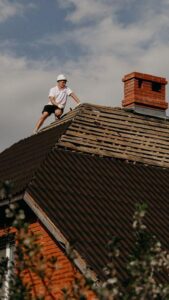
Ready for Stronger Protection Before Winter Arrives?
What happens if the next snowfall lands on a weakened roof? Acting early helps avoid costly interior damage and emergency fixes during peak cold conditions.
We work with homeowners to assess roofing conditions, recommend clear next steps, and carry out durable solutions built for harsh weather.
Reach out to Empire Renovations today for reliable support and timely roof solutions that keep homes protected when it matters most.