
Have you ever wondered why a roof that looked perfectly fine in summer suddenly shows signs of damage after winter? Many premature roof issues are linked to shifting seasonal conditions, where temperature swings and moisture exposure gradually weaken materials.
This is especially relevant for homeowners relying on residential roofing in Eagle, ID, where weather patterns shift quickly between hot, dry summers and cold, wet winters.
We often see how wear and tear on residential roofs builds slowly until leaks or surface damage appear.
For homeowners looking to protect their investment from year round weather exposure, Empire Renovations provides dependable roofing expertise focused on durability, quality workmanship, and long term performance.
In this article, we look at how seasonal changes impact roofing systems, common damage patterns, and practical ways to reduce long term repair costs.
How Seasonal Shifts Stress Roofing Systems
Roofing materials expand and contract as temperatures change. Over time, this repeated movement leads to cracks, loosened shingles, and weakened seals.
In areas like Eagle, we regularly observe:
- Shingle curling after prolonged heat exposure
- Ice buildup that forces water under roofing layers
- UV degradation that weakens protective coatings
- Wind uplift that loosens edges and flashing
These issues often go unnoticed until more serious damage forms, increasing the need for timely help from roofing contractors in Eagle, ID.
Common Seasonal Damage Patterns Homeowners Miss
Seasonal wear does not always show up immediately. It builds in layers across the year.
Winter Impact
Snow and ice create hidden moisture traps that can lead to interior leaks once thawing begins.
Spring Rain Cycles
Heavy rainfall exposes weak points in older roofs, often requiring roof repair in Nampa, ID for nearby homeowners facing similar regional conditions.
Summer Heat Stress
Prolonged sun exposure accelerates material fatigue, especially on older asphalt systems.
Wind Events
Strong gusts can lift shingles and damage flashing, increasing demand for roofing contractors in Nampa, ID when storm damage spreads across neighborhoods.
Industry Trends in Roof Maintenance and Longevity
We are seeing a shift toward preventive maintenance rather than reactive repairs. Homeowners are increasingly scheduling inspections twice a year instead of waiting for visible damage.
Key trends include:
- Reflective roofing materials that reduce heat absorption
- Improved underlayment layers for moisture resistance
- Early detection tools used during inspections
- Stronger sealants designed for temperature fluctuation
These advancements help reduce overall wear and tear on residential roofs and extend system lifespan.
FAQs
How often should a roof be inspected?
Twice a year is recommended, ideally in spring and fall, to track seasonal wear and tear on residential roofs.
What season causes the most roof damage?
Winter typically causes the most hidden damage due to ice, snow, and freeze thaw cycles.
Can small leaks wait until later repairs?
Delaying repairs often leads to larger structural issues and higher costs.
When Seasonal Shifts Become a Real Problem
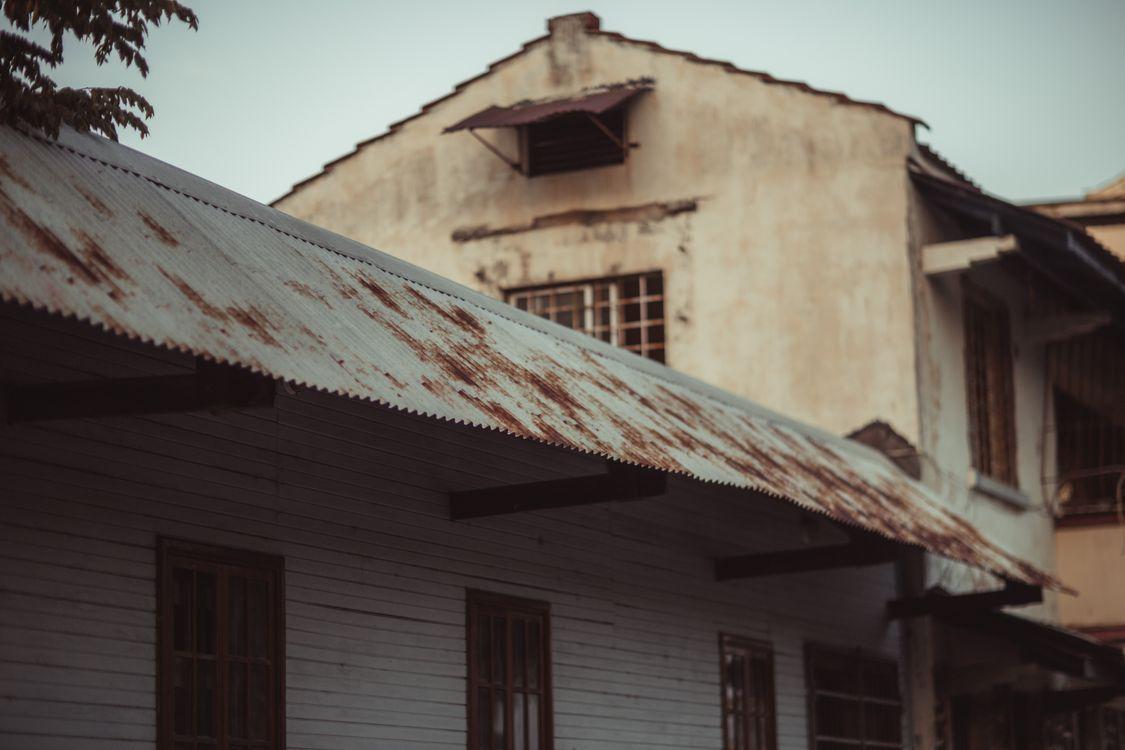
What happens when small roof issues turn into structural concerns?
Ignoring early warning signs often leads to more extensive repairs and higher costs. Local homeowners dealing with residential roofing in Eagle, ID benefit from timely inspections that catch damage early.
Similar climate patterns in nearby areas also mean roofing contractors in Nampa, ID frequently handle comparable seasonal issues, especially after storm cycles.
For ongoing concerns, reaching out for professional support ensures damage does not escalate. Empire Renovations provides practical roofing solutions focused on long term durability and seasonal resilience.
Homeowners can contact the team to address concerns early and reduce repair expenses over time.