
What if a few minutes of roof maintenance each season could help prevent a major repair bill later?
A roof does not usually fail because of one bad day. More often, small problems build quietly over time. A cracked shingle, blocked gutter, loose flashing, or patch of trapped moisture may seem minor at first, but repeated exposure to rain, wind, sun, and changing temperatures can turn these issues into leaks and structural damage.
The National Roofing Contractors Association recommends that roofs be inspected at least twice a year, in spring and fall, along with inspections after severe weather.
For homeowners, consistent maintenance is one of the most practical ways to protect a roof and reduce the chance of unexpected repairs. At Empire Renovations, we understand how important proper roof care is for protecting a home, which is why homeowners who need dependable roofing services in Boise, ID can turn to experienced professionals when maintenance concerns require expert attention.
In this guide, we will cover practical roofing maintenance tips for every season, including inspections, gutter care, attic checks, tree maintenance, storm preparation, warning signs, and the right time to call a professional.
Start With Regular Roof Inspections
One of the simplest ways to extend roof life is to identify problems before they become serious. We should inspect the roof regularly rather than waiting until a leak appears inside the home.
A roof inspection does not always require climbing onto the roof. In fact, homeowners should avoid walking on steep or fragile roofing materials unless they have the proper equipment and experience. Instead, we can begin with a visual inspection from the ground using binoculars.
Look for:
- Missing, cracked, curled, or damaged shingles
- Areas where shingles appear loose or lifted
- Dark patches that may indicate moisture or algae growth
- Damaged or missing flashing around vents, chimneys, and roof edges
- Sagging areas
- Granules collecting in gutters or downspouts
- Visible damage after high winds or storms
We should also check the roof from inside the attic. Water stains, damp insulation, musty odors, mold growth, and visible daylight around roof penetrations can all indicate a problem.
The best time to schedule routine inspections is generally in the spring and fall. Spring inspections can identify damage caused by winter weather, while fall inspections help us prepare the roof for the colder months ahead.
Keep Gutters and Downspouts Clear
A roof and gutter system work together to move rainwater away from the home. When gutters become clogged with leaves, twigs, and other debris, water may overflow and collect near the roof edge.
This can contribute to:
- Rotting fascia boards
- Water damage to siding
- Moisture entering the attic
- Foundation drainage problems
- Ice buildup in colder weather
- Damage to roofing materials
We should clean gutters regularly, especially during seasons when trees shed leaves. Homes surrounded by mature trees may require more frequent cleaning than homes with fewer nearby branches.
During gutter maintenance, we should also check whether the gutters are pulling away from the roofline. Sagging sections may prevent water from flowing properly. Downspouts should direct water several feet away from the foundation whenever possible.
Gutter guards can reduce the amount of debris entering the system, but they do not eliminate the need for maintenance. We still need to check for blockages and make sure water can move freely through the gutters and downspouts.
Remove Leaves and Debris From the Roof
Leaves, branches, pine needles, and other debris can collect on roofing materials, particularly in valleys and areas where the roof meets nearby trees.
When debris remains in place, it can trap moisture against the roof. Over time, this may encourage deterioration, staining, moss growth, and damage to roofing materials.
We should never use a pressure washer on shingles. High-pressure water can remove protective granules and damage the roofing surface. We should also avoid scraping aggressively at debris.
For light debris, a roof-safe approach may involve removing it carefully from a safe position. If debris is difficult to reach or has collected on a steep roof, professional assistance is the better option.
Keep Trees Trimmed Around the Home

Trees can provide shade and improve the appearance of a property, but branches that hang over a roof can create maintenance problems.
During storms, weak branches may break and fall onto roofing materials. Even smaller branches can scrape against shingles during windy conditions. Leaves and needles can also collect on the roof and clog gutters.
We should inspect nearby trees for:
- Dead or weak branches
- Branches touching the roof
- Limbs that hang directly above the roof
- Signs of disease or decay
- Branches close to vents, chimneys, or other roof features
Tree trimming should be performed carefully. Large branches near a roof can be dangerous to remove, especially when power lines or difficult access are involved. In these situations, we should work with a qualified tree professional.
Maintaining the trees around the home is not only about protecting the roof. It also reduces the chance of storm-related property damage.
Check Flashing Around Roof Penetrations
Flashing is installed around areas where the roof meets another structure or feature. Common locations include chimneys, skylights, vents, dormers, and walls.
These areas can become vulnerable because they involve joints and transitions where water must be directed away from the roof opening.
We should look for:
- Bent or damaged metal flashing
- Cracked sealant
- Gaps around roof penetrations
- Rust or corrosion
- Loose materials
- Water stains inside the attic
Flashing problems can allow water to enter the home even when the main roofing surface appears to be in good condition.
When we notice a possible issue around flashing, we should avoid applying random layers of caulk as a permanent solution. The correct repair depends on the type of flashing, the source of the problem, and the condition of the surrounding roofing materials.
Inspect the Attic for Early Warning Signs
A roof problem may become visible inside the home before it is obvious from the exterior.
We should check the attic periodically for signs such as:
- Water stains on rafters or roof decking
- Damp insulation
- Mold or mildew
- Musty odors
- Condensation
- Light coming through areas where it should not be visible
- Damaged wood
A small stain does not always indicate that the leak is directly above it. Water can travel along roof decking and framing before reaching the point where it becomes visible.
This is why we should not assume that a small interior stain can be fixed simply by covering it with paint. The source of the moisture needs to be identified and corrected.
Pay Attention to Roof Ventilation
Proper attic ventilation helps regulate temperature and moisture levels beneath the roof. Without adequate airflow, heat and moisture can build up in the attic.
This may contribute to:
- Moisture damage
- Mold growth
- Deterioration of insulation
- Premature aging of roofing materials
- Higher cooling demands during hot weather
A properly functioning ventilation system generally allows air to enter through intake vents and leave through exhaust vents. The exact setup depends on the roof design and the structure of the home.
We should check that vents are not blocked by insulation, debris, or other materials. We should also look for signs of excessive moisture, including condensation on nails or roof decking.
Ventilation should not be modified casually. Adding or blocking vents without understanding the existing airflow can create new problems. If attic temperatures or moisture levels seem unusual, a professional evaluation can help determine whether the ventilation system is working properly.
Watch for Shingle Damage
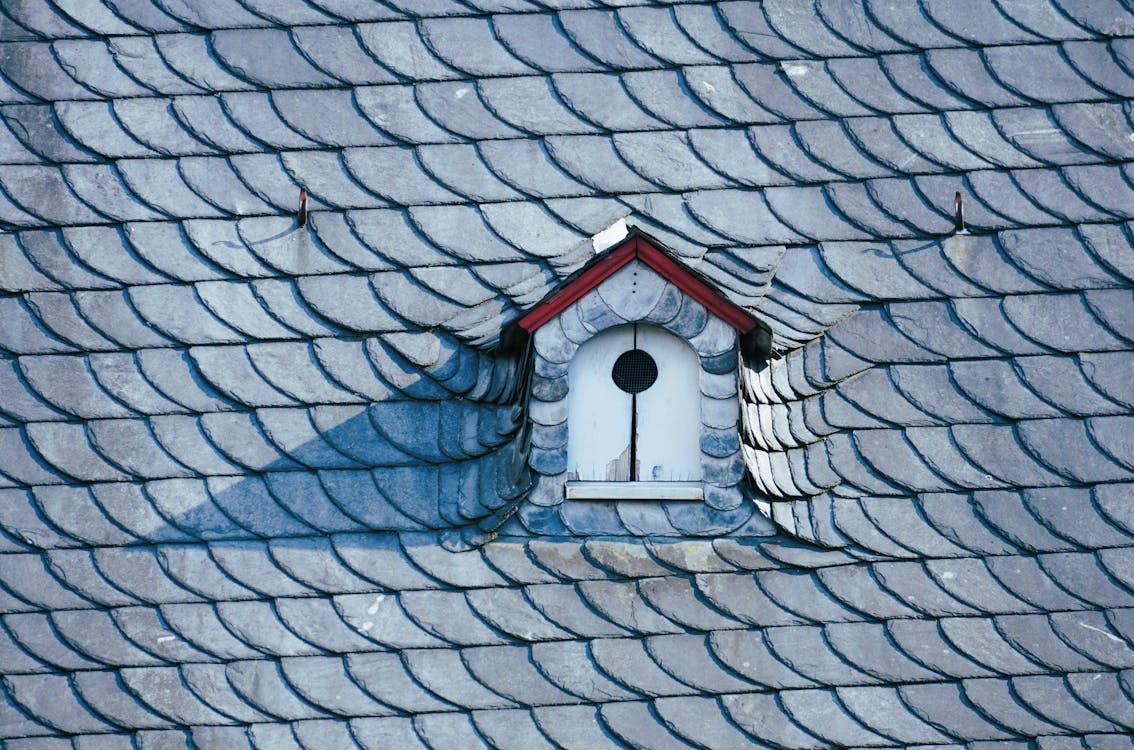
Shingles are exposed to weather conditions every day. Over time, they may become cracked, curled, blistered, loose, or missing.
We should pay attention to changes in the appearance of the roof, especially after severe weather. Wind can lift or remove shingles, while falling branches can cause direct impact damage.
Common signs that a shingle may need attention include:
- Cracks across the surface
- Curling edges
- Missing granules
- Loose tabs
- Missing shingles
- Areas that appear uneven
Small repairs can sometimes prevent a localized issue from spreading. However, we should not assume that every visible shingle problem can be fixed individually. The age and overall condition of the roof also matter.
When damage appears across a large area, a professional assessment can help determine whether localized roof repair in Boise, ID is appropriate or whether more extensive work may be needed.
Respond Quickly After Severe Weather
We should inspect the roof after major storms, high winds, hail, or falling branches.
Storm damage may not always be immediately obvious. Shingles can become loose without falling off completely. Flashing may bend, gutters may separate from the roofline, and small punctures may allow water to enter later.
After severe weather, we should check:
- The roof surface from the ground
- Gutters and downspouts
- Areas around vents and chimneys
- The attic
- Ceilings and upper walls inside the home
If we notice active leaking, we should address the situation promptly. Water can cause damage to insulation, drywall, framing, flooring, and personal belongings.
We should also be cautious about temporary repairs. Covering a damaged area may help limit immediate water entry, but it does not replace a proper assessment of the roof.
Maintain Roof Seals and Caulking
Sealants around roof penetrations can deteriorate over time due to exposure to sunlight and changing weather conditions.
Cracked or separated sealant around vents, skylights, and other roof features may allow water to enter.
During inspections, we should look for:
- Cracked caulking
- Gaps around flashing
- Shrinking sealant
- Areas where the seal has separated from the surrounding material
However, we should not apply new sealant over a damaged surface without understanding why the original seal failed. The problem may involve damaged flashing, movement, improper installation, or water drainage issues.
A temporary patch may conceal the visible symptom while leaving the underlying problem unresolved.
Keep Moss and Algae Under Control
Moisture and shade can create conditions where moss and algae grow on roofing materials. While surface growth may initially appear cosmetic, moss can hold moisture against the roof and may affect roofing materials over time.
We should avoid aggressive scrubbing or pressure washing, which can damage shingles.
If moss or algae becomes a recurring problem, we should consider the conditions contributing to its growth. Overhanging branches may reduce sunlight and increase debris accumulation. Poor drainage may also keep sections of the roof wet.
Professional cleaning methods should be appropriate for the roofing material. We should never use a cleaning product without checking whether it is suitable for the specific type of roof.
Check Roof Edges and Drainage Areas
Roof valleys, edges, and areas around drainage points often receive significant water flow. These locations deserve particular attention during inspections.
We should look for:
- Accumulated debris
- Damaged shingles
- Loose metal components
- Blocked drainage paths
- Signs of water staining
- Deteriorated materials
Roof valleys can be especially important because water from two roof sections may flow through the same area. If debris blocks the path, water may back up beneath roofing materials.
Keeping these areas clear helps water move away from the roof surface as intended.
A Stronger Roof Starts With the Right Attention
What would happen if we stopped waiting for roof problems to announce themselves with a leak?
Regular maintenance gives us a practical way to protect one of the most important parts of the home. By checking the roof seasonally, keeping drainage systems clear, managing nearby trees, monitoring the attic, and responding quickly to storm damage, we can help extend the useful life of the roofing system and reduce avoidable repair concerns.
When professional help is needed, Empire Renovations can provide dependable residential roofing in Boise, ID with the experience needed to assess roofing concerns and recommend an appropriate solution. Whether a home needs a professional inspection, repair guidance, or assistance with a larger roofing project, our team can help homeowners understand the condition of their roof and determine the next step.
If you have noticed leaks, damaged shingles, storm damage, or signs that your roof may be aging, contact Empire Renovations to discuss your needs. With professional support and a focus on quality workmanship, we can help address roofing problems before they become more disruptive and help homeowners make informed decisions about the care and future of their roof.