
How long do we expect a roof to last before it starts causing expensive problems?
Many homeowners assume their roof will protect their home for decades without much attention. Unfortunately, that assumption often leads to preventable damage, premature deterioration, and costly repairs. Replacing a roof can cost thousands of dollars, making proper maintenance one of the smartest investments homeowners can make.
An asphalt shingle roof is designed to provide long-lasting protection, but its lifespan depends heavily on how well it is maintained. Small issues such as clogged gutters, poor ventilation, missing shingles, and trapped moisture can gradually shorten a roof’s service life.
Empire Renovations is a trusted home improvement company focused on delivering reliable roofing, siding, and exterior solutions that keep properties protected and looking their best year after year.
In this guide, we’ll discuss practical ways to keep an asphalt shingle roof in excellent condition. We’ll cover inspection schedules, cleaning practices, ventilation recommendations, warning signs of damage, and proactive maintenance steps that help homeowners get the most value from their roofing investment.
Understanding What Affects the Lifespan of an Asphalt Shingle Roof
Before discussing maintenance strategies, it helps to understand what causes roofs to age.
Even high-quality roofing materials face constant exposure to:
- Sunlight and UV rays
- Rain and moisture
- Wind
- Temperature fluctuations
- Snow and ice accumulation
- Debris from trees
- Humidity and condensation
Over time, these conditions wear down roofing materials. While natural aging cannot be stopped completely, proper care can significantly slow the process.
Several factors influence how long an asphalt shingle roof lasts:
- Quality of installation
- Roofing material quality
- Local weather conditions
- Ventilation performance
- Drainage efficiency
- Routine maintenance habits
The good news is that homeowners have direct control over several of these factors.
Schedule Roof Inspections Consistently
Regular roof inspections are one of those maintenance habits that pay off quietly over time. Most roofing problems do not appear suddenly in a dramatic way. They tend to develop slowly, often starting as small vulnerabilities that are easy to miss during day to day life.
When inspections are done consistently, those early warning signs are much easier to catch and address. That can mean the difference between a simple repair and a much larger structural issue later on.
Why Timing Matters
Seasonal timing is not random. Spring inspections help reveal damage caused by winter conditions such as moisture intrusion, freeze and thaw cycles, or debris buildup. Fall inspections are equally important because they prepare the roof for colder weather, heavy rain, and wind exposure.
Inspections after storms or high winds are especially important because wind uplift can loosen shingles without fully removing them. That type of damage is often not visible from inside the home but can quickly worsen during the next weather event. Heavy snowfall can also stress roof structures and create hidden moisture problems once melting begins.
What A Closer Inspection Usually Includes
A proper roof check goes beyond what can be seen from the ground. A closer inspection typically involves examining both exterior and interior indicators of roof health.
On the exterior, attention is given to shingle condition, but also to the areas around them. Small cracks, slight curling at the edges, or uneven surfaces can suggest aging or early failure. Flashing around chimneys, skylights, and vents is another critical focus area because even minor separation can allow water entry.
Gutters are also reviewed because clogged or overflowing gutters often point to larger drainage issues. Excess granules collecting in gutters can indicate shingle wear that is not yet obvious on the roof surface itself.
What Professionals Look For That Homeowners Might Miss
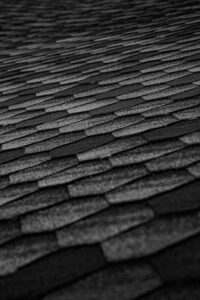
From ground level, a roof can appear perfectly fine while hidden problems are forming underneath. Professionals often check for subtle signs such as soft spots, early sagging between rafters, or moisture patterns that suggest slow leaks.
They may also inspect the attic space when accessible. This helps identify insulation dampness, daylight penetration through the roof boards, or early mold development. In some cases, thermal tools are used to detect trapped moisture that cannot be seen visually.
The Value Of Consistency
The real benefit comes from making inspections routine rather than reactive. When a roof is checked regularly, even small changes from one season to the next become noticeable. That allows issues to be addressed early, reducing the chance of long term damage and keeping the roof performing as intended for a longer period.
Keep Gutters Clean and Functional
Gutters play a major role in roof health.
When gutters become clogged, water cannot drain properly. Instead, it may back up beneath shingles or overflow near the home’s foundation.
Problems Caused by Clogged Gutters
Blocked gutters can contribute to:
- Water intrusion
- Wood rot
- Mold growth
- Ice dams
- Fascia damage
- Premature shingle deterioration
Recommended Gutter Maintenance
We should clean gutters:
- At least twice per year
- After major storms
- More frequently if trees are nearby
During cleaning, also inspect:
- Downspouts
- Gutter fasteners
- Seams and joints
- Signs of rust or corrosion
Proper drainage is one of the simplest ways to protect an asphalt shingle roof from unnecessary wear.
Remove Debris Promptly
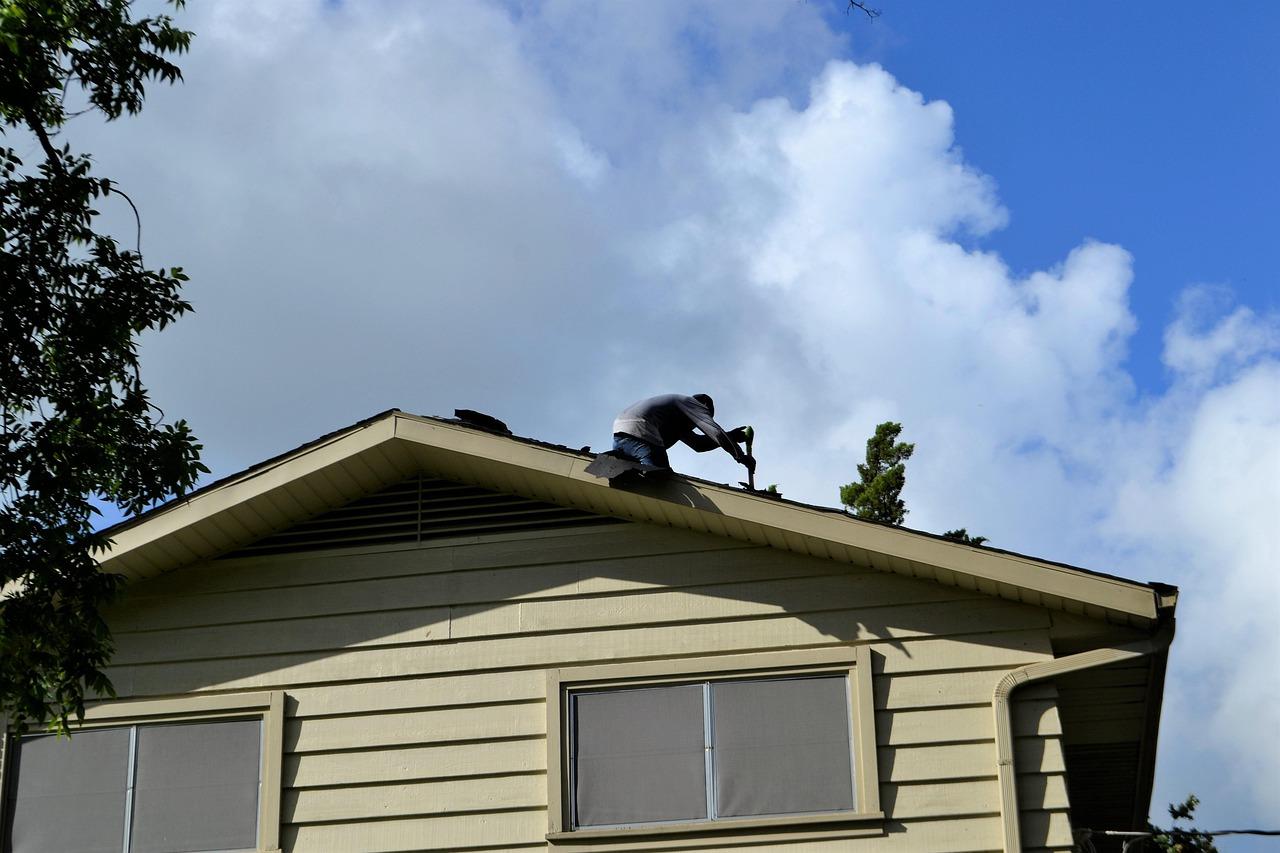
Leaves, branches, pine needles, and other debris may seem harmless, but they can create several roofing problems.
Debris tends to trap moisture against roofing materials. Over time, prolonged moisture exposure may accelerate deterioration.
Areas That Need Extra Attention
Pay special attention to:
- Roof valleys
- Areas around chimneys
- Sections near skylights
- Low-slope roof areas
- Spots beneath overhanging trees
Using a soft broom or leaf blower can help remove debris safely without damaging shingles.
Avoid aggressive scraping or pressure washing, which may shorten roof life.
Trim Nearby Trees
Trees add beauty and shade, but branches hanging over the roof can create risks.
How Trees Affect Roofing Systems
Overhanging limbs can:
- Scratch shingles
- Drop debris onto the roof
- Increase moisture retention
- Provide access for pests
- Break during storms
Branches rubbing against roofing materials can gradually wear away protective surfaces.
Best Practices for Tree Maintenance
We should:
- Trim branches several feet from the roof
- Remove dead limbs
- Monitor tree health regularly
- Address leaning trees before storms occur
Reducing contact between trees and roofing materials helps preserve the condition of an asphalt shingle roof over time.
Address Minor Damage Immediately
Small roofing issues rarely stay small.
A single missing shingle may seem insignificant, but it can expose underlying materials to moisture and weather.
Common Minor Problems
Examples include:
- Loose shingles
- Small flashing gaps
- Nail pops
- Minor leaks
- Damaged sealant
Addressing these concerns quickly often prevents larger structural repairs later.
Homeowners who postpone maintenance frequently end up facing extensive roof repair work that could have been avoided.
Maintain Proper Roof Ventilation
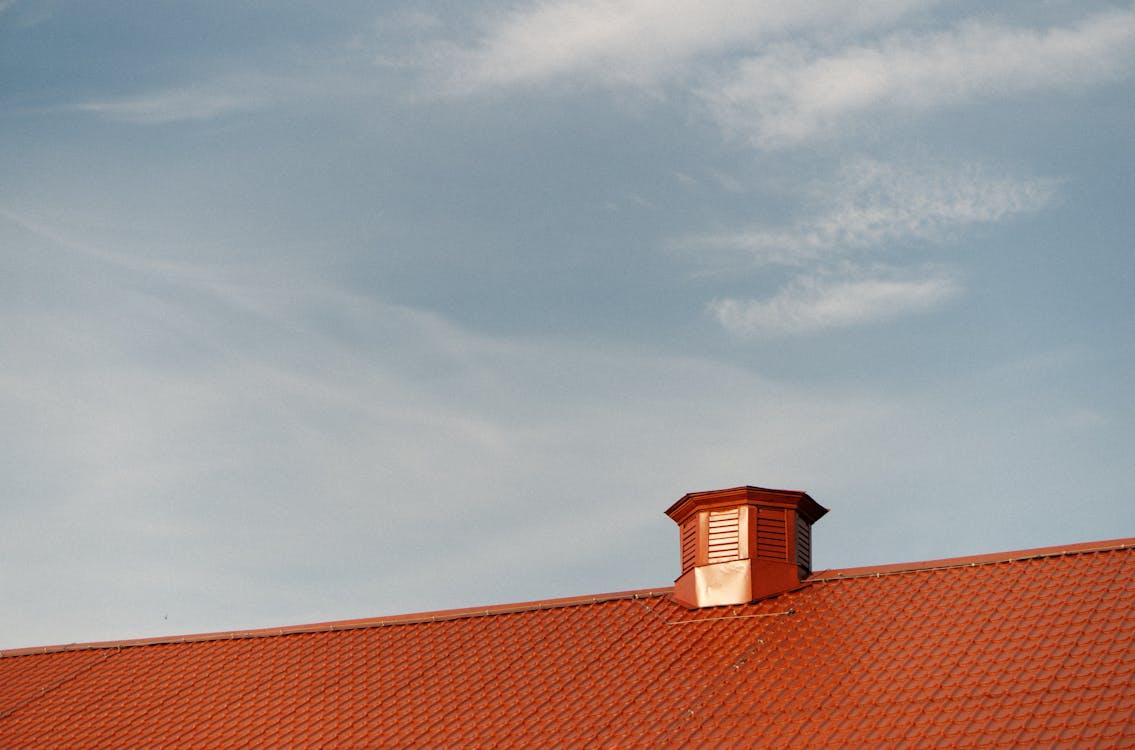
Ventilation is often overlooked, yet it has a major impact on roofing longevity.
A roofing system needs balanced airflow to regulate temperature and moisture levels.
What Happens When Ventilation Is Poor?
Inadequate ventilation may cause:
- Excess attic heat
- Moisture buildup
- Mold growth
- Premature shingle aging
- Increased energy costs
- Structural deterioration
During hot weather, trapped attic heat can significantly increase roof temperatures.
During colder months, moisture accumulation may damage insulation and wooden components.
Signs of Ventilation Problems
Watch for:
- Excessively hot attic spaces
- Condensation
- Mold odors
- Rust on attic nails
- Uneven roof temperatures
Proper intake and exhaust ventilation help maintain a healthier roofing environment throughout the year.
Prevent Moss and Algae Growth
Moss and algae can negatively affect roofing materials if left untreated.
Moss tends to retain moisture against the roof surface. This prolonged moisture exposure may contribute to shingle deterioration.
Conditions That Encourage Growth
Moss commonly develops when:
- Shade is excessive
- Humidity levels remain high
- Debris accumulates
- Drainage is poor
Safe Removal Methods
If growth appears, consider:
- Gentle cleaning solutions designed for roofing
- Professional roof cleaning services
- Improved sunlight exposure through tree trimming
Avoid using harsh methods that may damage shingles.
Regular monitoring helps prevent minor biological growth from becoming a larger concern.
Watch for Signs of Water Damage
Water is one of the biggest threats to any roofing system.
Sometimes leaks are obvious. In many cases, however, moisture problems develop gradually and remain hidden for months.
Warning Signs Inside the Home
Pay attention to:
- Ceiling stains
- Wall discoloration
- Peeling paint
- Mold growth
- Musty odors
Warning Signs Outside the Home
Look for:
- Damaged flashing
- Missing shingles
- Sagging sections
- Water pooling
The sooner moisture issues are identified, the easier they are to correct.
Protect Roof Flashing
Flashing serves as a protective barrier around roof penetrations and transitions.
It is commonly installed around:
- Chimneys
- Skylights
- Roof valleys
- Plumbing vents
- Dormers
Why Flashing Matters
Even when shingles remain in good condition, damaged flashing can allow water intrusion.
Inspect flashing regularly for:
- Rust
- Cracks
- Separation
- Loose fasteners
- Missing sealant
Maintaining flashing is an important part of extending roof lifespan.
Avoid Walking on the Roof Unnecessarily.

Walking on a roof may seem harmless, but repeated foot traffic can damage shingles.
Risks of Roof Traffic
Frequent walking may lead to:
- Granule loss
- Cracked shingles
- Broken seals
- Surface wear
Whenever possible, inspections should be conducted from the ground using binoculars.
If roof access becomes necessary, proper safety procedures should always be followed.
Pay Attention After Severe Weather
- Storms can shorten roof life if damage goes unnoticed.
- Strong winds may loosen shingles even when they remain attached.
- Heavy rain can expose weaknesses in roofing components.
- Hail may create impact damage that is difficult to detect without a close inspection.
Post-Storm Checklist
After significant weather events, check for:
- Missing shingles
- Debris accumulation
- Bent flashing
- Damaged gutters
- Granule buildup near downspouts
Prompt action after storms can help prevent long-term deterioration.
Ensure Attic Insulation Supports Roof Health
Insulation and ventilation work together to protect roofing systems.
Poor insulation can contribute to temperature imbalances that affect roof performance.
Benefits of Proper Insulation
Good insulation helps:
- Reduce heat transfer
- Improve energy efficiency
- Minimize moisture issues
- Support ventilation effectiveness
A balanced attic environment reduces unnecessary stress on roofing materials throughout the year.
Recognize When Repairs Are Becoming Frequent
At some point, repeated repairs may signal that a roof is approaching the end of its useful life.
Signs may include:
- Multiple leak locations
- Recurring shingle failures
- Significant granule loss
- Widespread deterioration
- Frequent maintenance costs
In situations where repairs become increasingly common, discussing long-term options with roofing contractors in Caldwell, ID may help determine the most cost-effective path forward.
What Can We Do Today to Help Our Roof Last Longer?
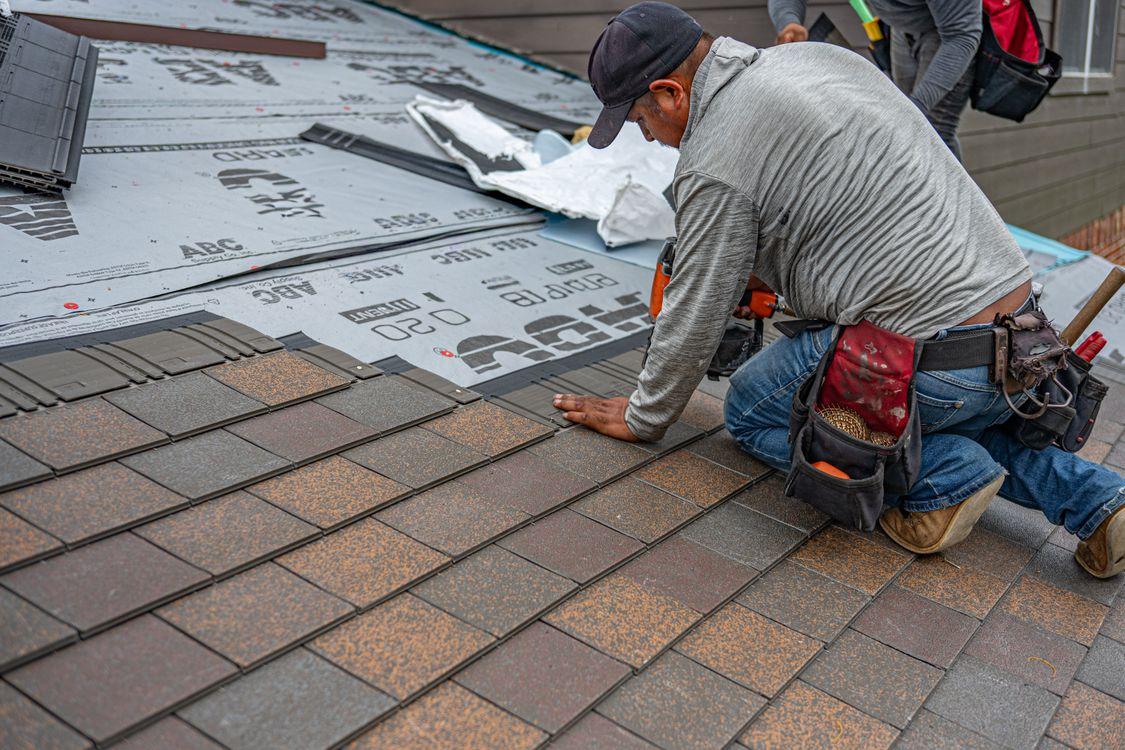
If a roof protects everything beneath it, doesn’t it make sense to protect the roof as well?
Extending the life of an asphalt shingle roof is largely about consistency. Regular inspections, proper ventilation, debris removal, gutter maintenance, tree trimming, and prompt attention to small issues can add years to a roof’s service life. These steps help reduce avoidable damage while preserving the roof’s ability to protect the home through changing seasons and weather conditions.
When concerns arise that require professional attention, Empire Renovations can help homeowners make informed decisions about roof maintenance, repairs, and long-term roofing solutions.
Whether you are dealing with aging shingles, considering a roof replacement in Caldwell, ID, or seeking experienced roofing contractors in Caldwell, ID to assess potential concerns, professional guidance can help prevent small problems from becoming major expenses.
Contact Empire Renovations today to schedule an evaluation and keep your roof performing at its best for years to come.