
Preparing your home before painters arrive can make the work smoother, protect your belongings, and give the crew enough room to work efficiently. For homeowners considering painting services, knowing how to prepare for interior painting can reduce disruptions and help create better conditions for a clean, even finish.
Clear the Rooms
Start by removing small furniture, decorations, lamps, plants, and other movable items from the room. Take pictures, mirrors, wall art, and shelves off the walls where painting will occur. Store these belongings in another room or a secure area away from the work zone. Creating open floor and wall space gives painters easier access and reduces the risk of accidental damage.
Larger furniture that cannot be moved should be placed toward the center of the room whenever possible. Cover it completely with clean protective sheets, and make sure the covering stays secure during preparation and painting. Do not leave valuable or fragile items underneath unless they have been properly protected.
Protect the Floors
Floors also need attention before work begins. Remove small rugs and mats, then vacuum or sweep the floor so loose dirt does not interfere with protective coverings. Professional painters commonly use drop cloths to protect flooring, but clearing the area first gives them more room to position materials safely.
Check the Walls
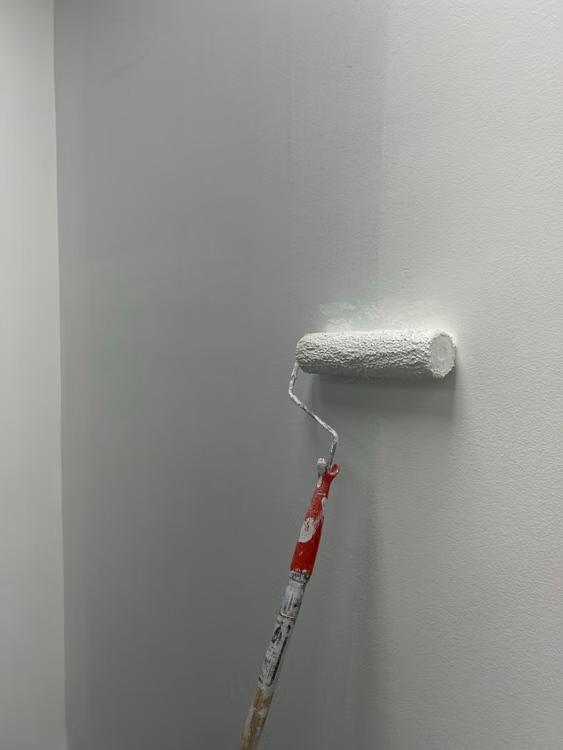
Take time to inspect the walls before painters arrive. Look for nail holes, dents, loose paint, small cracks, stains, and areas where previous repairs are visible. Some minor imperfections can be filled and sanded as part of preparation, while larger damage may require separate repair work. Tell the painter about areas that need attention so the scope of preparation is clear before work begins.
Clean dusty or greasy surfaces when appropriate, particularly around kitchens, hallways, and high-touch areas. Paint adheres better to a clean, dry surface. If there is mold, persistent moisture, peeling caused by water intrusion, or significant wall damage, address the underlying issue before painting. A new coating should not be used to hide an active problem.
Remove Window Treatments
Remove curtains, blinds, and other window treatments when practical. Store hardware and small components together in labeled bags so they are easy to reinstall later. If certain fixtures cannot be removed, ask the painting contractor how they will be protected before work starts.
Create Clear Work Areas
Create clear paths from the entrance to each room being painted. Move shoes, toys, boxes, cords, and other obstacles away from these routes. Clear access allows workers to bring ladders, tools, paint, and protective materials into the room without unnecessary interruptions.
Think about your household routine as well. Interior painting can involve odors, noise from preparation, and rooms being temporarily unavailable. If you work from home, have young children, or need access to a particular room, discuss the schedule with the contractor ahead of time. This can help you plan alternative spaces during the project.
Plan for Pets
Pets also need consideration. Dogs and cats may become stressed by unfamiliar people, open doors, ladders, and paint odors. Keep them in a separate secure area or arrange another location for them while work is underway. Make sure gates and exterior doors remain secured if workers need to move between rooms and outside areas.
Protect Important Belongings
Protect items that must remain in the house. Electronics, clothing, books, documents, and other sensitive belongings should be covered or relocated away from the painting area. Close doors to rooms that are not part of the project when possible to limit dust movement.
It is helpful to set aside a container for items you remove from the walls. Keeping screws, hooks, outlet covers, and hardware together can save time after painters finish. Labeling each group by room makes reassembly simpler and helps prevent misplaced pieces during the project.
Confirm Project Details
Before the first coat is applied, confirm the colors, finishes, rooms, and surfaces included in the project. Ask about the expected schedule, drying times, ventilation, and when rooms can safely be used again. Clear communication helps prevent confusion about what will be painted and how the household should use each space.
A little preparation can make professional interior painting more organized and less disruptive. Moving furniture, protecting belongings, clearing work areas, addressing wall imperfections, and planning around your household routine all help create better working conditions.
If you need roofing services or painting services in Meridian, Empire Renovations can help prepare your home and complete the painting work with care. Contact us today.