
A new roof should do much more than improve curb appeal. It needs to keep water out, manage heat and moisture, withstand changing weather, and protect the structure beneath it for years. That matters when NOAA reports that hail alone causes more than $1 billion in crop and property damage in the United States each year.
For us, proper roof installation means treating every layer of the roofing system as part of one working structure. From underlayment and flashing to ventilation and shingle placement, small installation details can influence how well a roof performs over time.
Here are seven reasons correct installation matters for long-term home protection.
1. It Creates Better Protection Against Water
Water is one of the biggest threats to a roofing system. Even when shingles appear intact, improperly installed components can allow moisture to reach the roof deck and other parts of the home.
Correct installation helps create continuous protection by ensuring that:
- Shingles overlap and fasten correctly
- Underlayment is positioned according to manufacturer requirements
- Flashing is properly installed around vulnerable areas
- Valleys direct water toward the appropriate drainage points
- Penetrations around vents and other fixtures are sealed correctly
A roof does not have to develop a dramatic hole for water intrusion to begin. Poorly placed flashing, exposed fasteners, incorrect overlaps, or inadequate sealing can create pathways for moisture.
When water repeatedly reaches areas that should remain dry, the effects can extend beyond the roof itself. Wood components may deteriorate, insulation can become damp, and interior ceilings or walls may eventually show stains.
2. It Helps the Roofing Materials Perform as Intended
Roofing materials are designed with specific installation requirements. Shingles, underlayment, flashing, vents, and other components need to work together according to those specifications.
Incorrect fastening is one example. If nails are placed too high, too low, too few, or in the wrong locations, shingles may not remain securely attached. Poor alignment can also affect how overlapping courses shed water.
Installation also involves details such as:
- Correct nail placement
- Appropriate fastener selection
- Proper shingle alignment
- Adequate overlap
- Correct treatment of roof edges and valleys
When these details are handled correctly, the roofing system has a better opportunity to deliver the performance expected from its materials.
3. It Supports Proper Roof Ventilation
A roof is not simply an exterior barrier. It also needs to manage airflow and moisture within the attic space.
Poor ventilation can contribute to excessive heat and moisture buildup. During warmer months, trapped heat can place additional stress on roofing materials and increase attic temperatures. Moisture can also contribute to condensation, which may affect wood and insulation.
Proper ventilation generally requires a balanced approach involving intake and exhaust airflow. The exact configuration depends on the roof design, attic construction, climate, and applicable requirements.
We also need to remember that simply adding vents does not automatically solve ventilation problems. Their placement, sizing, and relationship with existing airflow all matter.
A properly installed roofing system considers ventilation as part of the complete roof rather than treating it as an afterthought.
4. It Helps Prevent Premature Roofing Damage
A roof can gradually deteriorate from repeated exposure to sun, rain, wind, temperature changes, and moisture. Proper installation cannot prevent every form of wear, but it can reduce problems caused by installation errors.
For example, improperly secured materials may move during strong winds. Incorrectly installed flashing can loosen or permit water intrusion. Poor edge installation can leave vulnerable areas exposed.
These problems can begin small and become more noticeable as the roof ages.
With correct installation, we give the roofing system a sound foundation for handling everyday environmental stress. That can help reduce avoidable damage and support more consistent performance throughout the roof’s service life.
5. It Protects Vulnerable Areas of the Roof
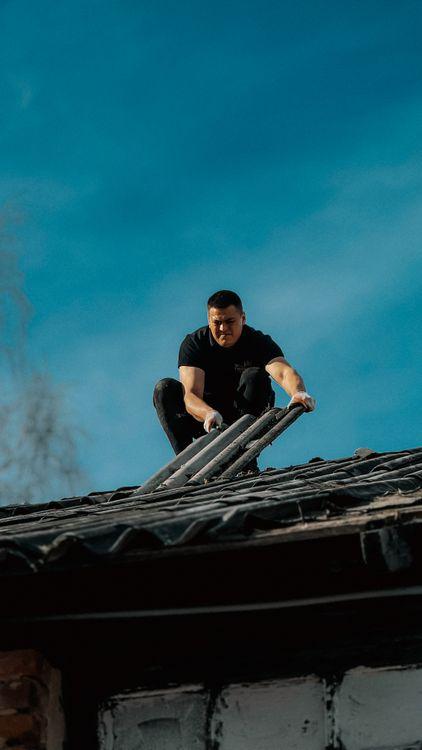
Not every part of a roof faces the same risks. Certain locations require particular attention because they involve changes in direction, edges, openings, or transitions between materials.
Important areas include:
- Roof valleys
- Eaves and rakes
- Chimneys
- Skylights
- Plumbing vents
- Roof penetrations
- Wall-to-roof intersections
These areas often depend heavily on flashing and proper water-shedding details. If installation is rushed or components are fitted incorrectly, water can collect or enter around these vulnerable points.
Paying close attention to these locations helps maintain the roof’s overall protective barrier. A roof is only as reliable as its weakest details, so the areas that require additional care should never be treated as minor finishing work.
6. It Can Support the Expected Life of the Roofing System
Homeowners often choose roofing materials based partly on their expected durability. However, the material itself is only one part of the equation.
Installation quality can affect how that material performs over the years.
Consider two roofs made from the same basic materials. If one has correct fastening, sound flashing, proper ventilation, appropriate underlayment, and carefully completed edges, while the other has installation defects, their performance may differ significantly.
This is why residential roofing in Eagle, ID, and similar projects should focus on the complete system rather than simply selecting attractive shingles.
Proper installation also makes future maintenance easier because the roofing components are correctly positioned and integrated from the beginning.
7. It Helps Protect the Rest of the Home
Why does roof installation matter beyond the roof itself? Because the roof is connected to nearly every part of the home’s upper structure.
When roofing problems allow persistent moisture inside, damage can potentially reach:
- Roof decking
- Attic insulation
- Rafters and other structural components
- Ceilings
- Interior walls
Build the Roof Around Protection, Not Just Appearance
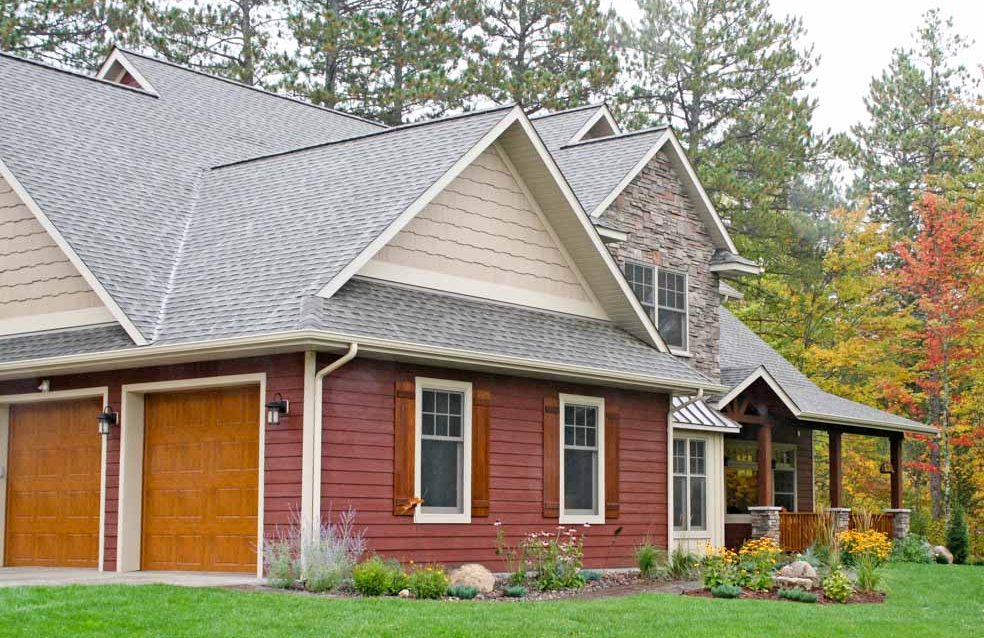
What is the value of a new roof if installation problems prevent it from doing its most important job?
At Empire Renovations, we understand that a roofing project should be approached with long-term performance in mind. Homeowners looking for experienced roofing contractors in Eagle, ID, can turn to us for careful attention to the details that help a roofing system protect the home.
We focus on workmanship and proper installation so homeowners can address roofing concerns with greater confidence. If you are planning a new roof or replacing an aging system, contact Empire Renovations to discuss your project and learn how our roofing experience can help support dependable, long-term home protection.