
What if the roof covering we choose today determines how often we deal with repairs, how our home looks, and how much we spend on roofing over the next several decades? The U.S. Department of Energy notes that a residential roof can last roughly 20 to 50 years depending on the material used, making the choice much more than a short-term home improvement decision.
When we compare different roofing materials, we need to look beyond the price tag. The right choice depends on appearance, durability, maintenance, climate, budget, roof design, and expected service life. We can make a more informed decision by considering each factor together rather than choosing a material based on one feature alone.
Start With the Look You Want
A roof covers a large part of our home’s exterior, so appearance naturally matters. Roofing materials come in different colors, textures, profiles, and finishes, and each can create a different visual effect.
Asphalt shingles offer a familiar residential appearance and are available in many styles. Metal roofing can provide a clean, contemporary look while also being available in profiles that complement traditional homes. Clay and concrete tiles create a distinctive appearance, while slate provides a natural stone finish.
When comparing materials, we should consider:
- The architectural style of the home
- Existing siding, brick, stone, or trim
- Available colors and textures
- How the material will look as it ages
- Whether the material complements the surrounding homes
Appearance should not be the only deciding factor, but it can help narrow the selection when several materials meet our practical requirements.
Compare Durability and Expected Service Life
How long do we expect the roof to serve our home? That question can change the entire calculation.
Different roofing materials have very different service-life ranges. HUD’s durability guidance lists composition shingles at about 15 to 30 years, standing-seam metal at 20 to 50-plus years, concrete or clay tile at 50-plus years, and slate at 50 to 100 years.
This does not mean every roof will reach the top of its expected range. Installation quality, weather exposure, ventilation, maintenance, roof design, and material quality can all affect actual performance.
For us, the important point is to compare the expected life of each option with how long we plan to remain in the home. A lower initial price may make sense for one homeowner, while someone planning to stay in the property for decades may place greater value on long-term durability.
Consider How Much Maintenance You Want
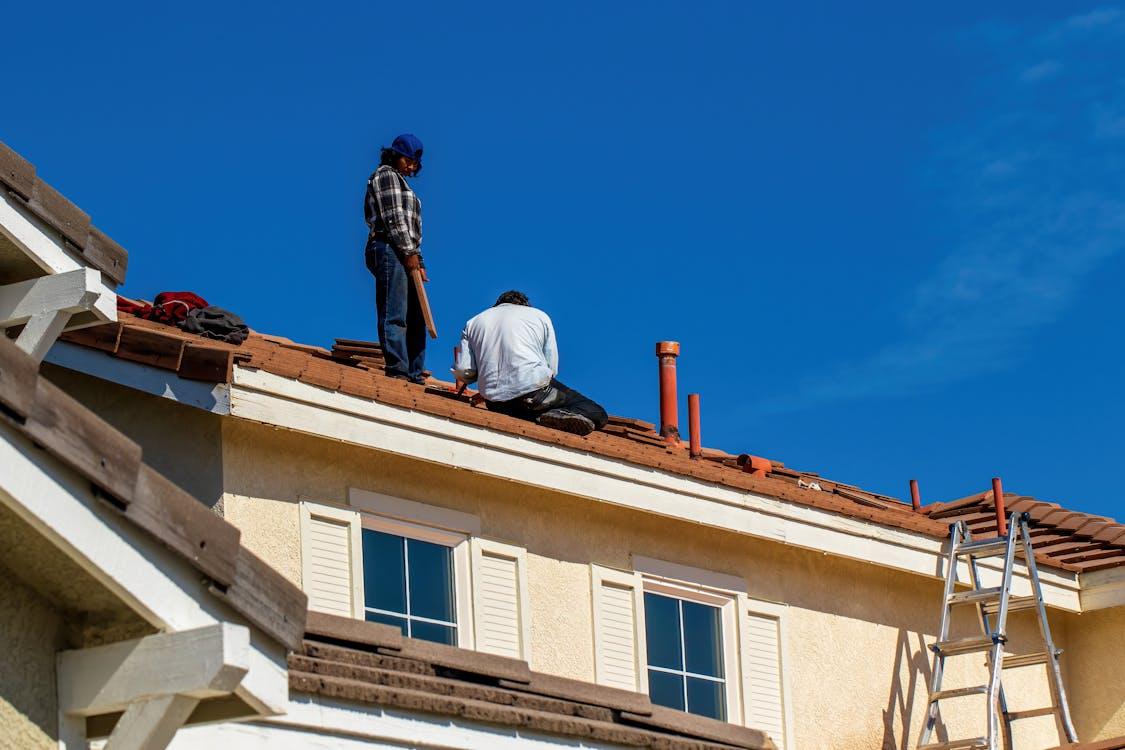
Every roof needs some level of attention, but the amount and type of maintenance can vary.
We should ask ourselves how comfortable we are with ongoing inspections, cleaning, repairs, and upkeep. Some materials may require attention to specific issues such as cracked components, loose fasteners, damaged flashing, surface deterioration, or moisture-related problems.
Regular inspections can also help us identify small problems before they affect larger sections of the roof. This matters regardless of whether we choose asphalt, metal, tile, slate, or another option.
A useful way to compare materials is to consider both:
- How frequently the roof may require maintenance
- What individual repairs may cost when maintenance is needed
A roof with a longer expected service life is not automatically maintenance-free. We still need to account for routine care throughout its useful life.
Match the Material to the Climate
Our local weather should have a major influence on the decision. A roofing material that performs well under one set of conditions may not be equally suitable for another.
Heat, intense sunlight, heavy rain, wind, hail, snow, freezing temperatures, and repeated temperature changes can all affect roofing performance. The Insurance Information Institute notes that roof performance depends partly on location and the weather hazards that affect a property.
For homeowners, this means we should ask:
- How much direct sunlight does the roof receive?
- Are strong winds common?
- Does the area receive hail or heavy rain?
- Are freezing and thawing cycles a concern?
- Does the roof design encourage water to drain properly?
- Could the material’s weight create structural considerations?
Climate should be considered alongside the roof’s pitch, drainage design, ventilation, and existing structure.
Look at the Complete Budget
Price is important, but we should avoid comparing materials based only on the initial installation cost.
The total financial picture can include:
- Material costs
- Installation labor
- Removal of the existing roof
- Underlayment and flashing
- Ventilation improvements
- Structural preparation
- Future maintenance
- Potential repairs
- Eventual replacement
Asphalt shingles are generally among the more economical roofing choices, while metal, wood, slate, and tile can have higher material costs.
A useful comparison is the expected cost over the roof’s service life. A more expensive material may have a longer service life, while a lower-cost option may require replacement sooner. Neither approach is automatically right for every home. We need to compare the numbers against our budget and long-term plans.
Make a Simple Material Comparison
Before making a final decision, we can create a basic comparison using these questions:
| Factor | What We Should Consider |
| Appearance | Does it complement the home’s exterior? |
| Durability | How well can it handle expected weather? |
| Maintenance | How much ongoing care will it require? |
| Climate | Is it suitable for local conditions? |
| Budget | What are the initial and long-term costs? |
| Service life | How long can we reasonably expect it to perform? |
| Weight | Can the existing structure support it? |
| Installation | Does the roof design accommodate it? |
This approach gives us a clearer way to compare different roofing materials without allowing one feature to dominate the decision.
How Do We Know When We’ve Made the Right Choice?
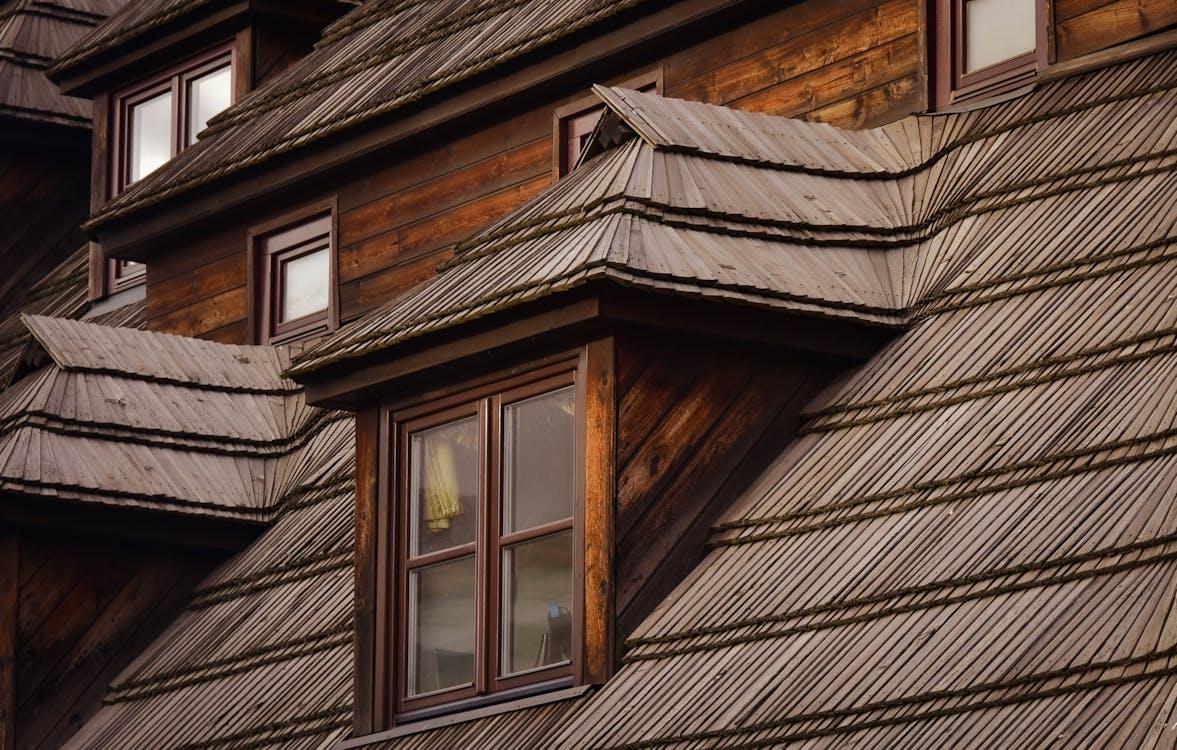
What if the best roofing material is not necessarily the most expensive or the least expensive option, but the one that fits our home and priorities most closely?
We can start by identifying what matters most to us, then compare durability, maintenance, climate suitability, appearance, budget, and expected service life. If we are considering residential roofing in Boise, ID, local weather conditions and the home’s existing construction should also be part of that discussion.
For homeowners planning roof replacement in Boise, ID, working with experienced professionals can make it easier to evaluate material requirements alongside the condition and design of the existing roof. We can also seek professional input when deciding whether roof repair in Boise, ID, may address the current problem or whether a larger project is appropriate.
At Empire Renovations, we help homeowners evaluate their roofing needs with a practical focus on materials, installation requirements, durability, and long-term performance. Our experience as roofing contractors in Boise, ID, allows us to assess the factors that affect a roofing project and help homeowners understand their available options.
If you are considering roof installation in Boise, ID, contact Empire Renovations to discuss your home, goals, and roofing requirements so we can help you select an approach suited to your property and priorities.