
A roof can look perfectly sound while aging quietly above your home over time. Understanding the typical residential roof lifespan helps homeowners plan routine inspections, repairs, and eventual replacement before problems become expensive.
Asphalt Shingles
Asphalt shingles are among the most common residential roofing materials because they balance cost, appearance, and performance. Standard three-tab shingles generally last around 15 to 20 years, while architectural or dimensional shingles can often provide 20 to 30 years of service. Higher-grade products may last longer with proper installation and maintenance.
Metal Roofing
Metal roofs can provide a longer service life than many asphalt systems. Depending on the metal, coating, installation, and environmental exposure, a residential metal roof may last 40 to 70 years or more. Steel and aluminum systems can resist many common problems, including cracking and moisture penetration, but fasteners, seams, coatings, and surrounding components still require attention.
Wood Shingles and Shakes
Wood roofing can typically last about 20 to 40 years when properly maintained. Its lifespan depends on wood type, climate, moisture exposure, ventilation, and care. Persistent dampness can encourage decay, while poor airflow beneath the roof can contribute to premature deterioration.
Tile Roofing
Clay and concrete tile roofs can last 50 years or longer, with some systems remaining functional for many decades. The tiles may be durable, but underlayment and supporting materials can require replacement sooner. Cracked or displaced tiles should also be addressed promptly to protect the layers beneath them.
Synthetic Roofing
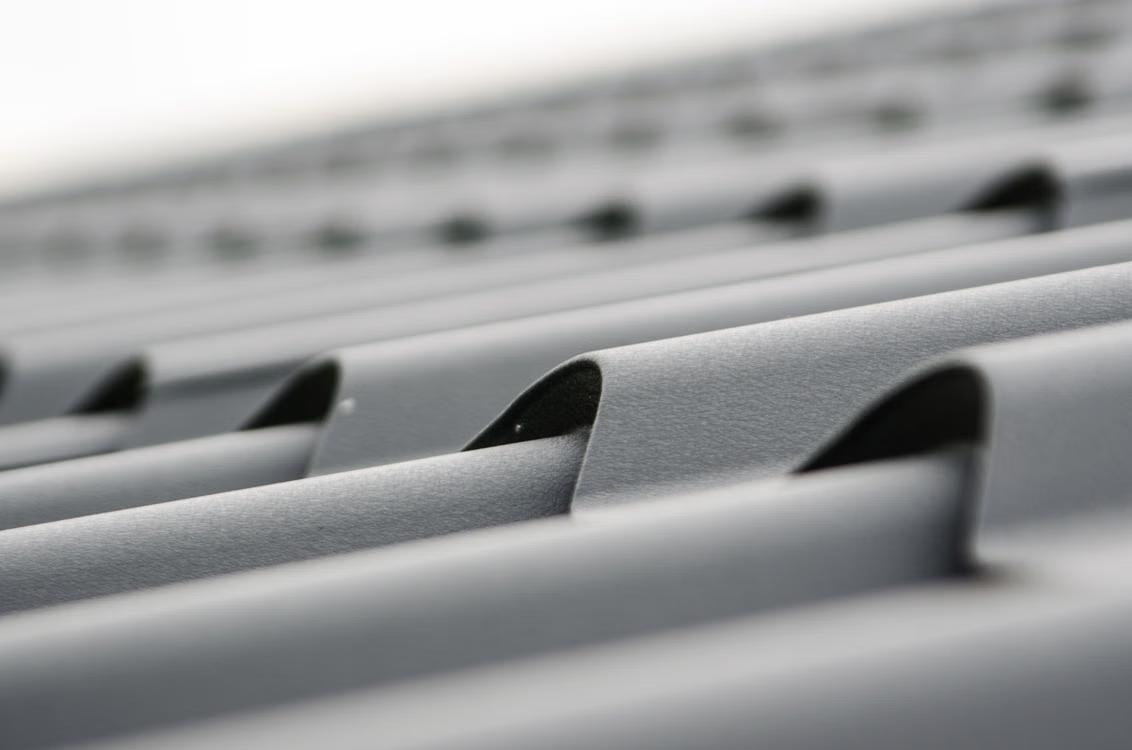
Synthetic roofing products vary considerably, but many are designed to provide several decades of service. Their longevity depends on product quality, installation, exposure, and manufacturer specifications. Homeowners should review the expected service life and warranty terms for the exact product being considered rather than relying on a general category estimate.
Why Installation Quality Matters
Even an excellent roofing material can perform poorly when installed incorrectly. Proper flashing, underlayment, fastening, edge details, drainage, and ventilation all contribute to roof performance. Installation errors can allow water to enter vulnerable areas, create wind-related problems, or shorten the useful life of shingles and other materials.
A roof installed according to manufacturer requirements has a better chance of delivering the performance promised by its materials. Experienced installers also account for roof slope, penetrations, valleys, eaves, and other areas where small mistakes can lead to larger issues.
Weather and Local Conditions
Weather has a direct effect on roofing materials. Strong sunlight can age some surfaces, while repeated heating and cooling can cause materials to expand and contract. Rain, snow, hail, wind, and falling branches can cause additional wear or sudden damage.
In Idaho, seasonal temperature changes make material performance and installation quality especially relevant. A roof may age differently depending on its exposure, surrounding trees, roof pitch, drainage, and local weather patterns.
Maintenance Can Add Years
Routine maintenance does not make a roof last forever, but it can help identify manageable problems before they become major repairs. Watch for missing or damaged shingles, cracked flashing, granule loss, water stains, sagging areas, and clogged drainage systems.
Professional inspections are useful after severe weather and as a roof approaches the later part of its expected life. Addressing small defects early may help preserve surrounding materials and prevent moisture from reaching the attic or interior spaces.
Ventilation Matters Too
Adequate attic ventilation helps control heat and moisture beneath the roof. Without sufficient airflow, excessive heat can accelerate material aging, while trapped moisture can contribute to mold, wood deterioration, and insulation problems. Intake and exhaust ventilation should work together rather than relying on one vent type.
When Should You Replace Your Roof?
Age alone does not determine whether replacement is necessary. A young roof with severe storm damage, widespread deterioration, or repeated leaks may need work sooner than expected. An older roof with good maintenance and limited wear may continue performing.
Consider the material, installation history, condition, repair history, and weather exposure when assessing remaining service life. An inspection can provide a clearer picture than age alone.
Protecting Your Investment
Knowing your residential roof lifespan gives you a useful starting point, but actual service life depends on several factors. Quality materials, proper installation, ventilation, maintenance, and timely repairs can help a roof perform closer to its expected range.
If your roof is aging or showing wear, professional guidance can help determine whether roof repair, roof replacement, or roofing services in Boise are appropriate for your home. Trust Empire Renovations for a professional assessment and a plan to protect your home. Contact us today.