
When a roof begins showing its age, homeowners often face the same question: should they repair or replace roof systems that are no longer performing as they once did? The answer depends on more than the latest leak. Roof age, repair history, material condition, remaining service life, and long-term costs all deserve consideration. For homeowners considering residential roofing, understanding these factors can make the decision clearer.
Start With the Roof’s Age
Age provides an important starting point. Different roofing materials have different expected service periods, so an older roof may have less useful life remaining even when its current damage appears manageable. A relatively young roof with an isolated problem may make more sense to repair, while an aging system with widespread wear could require a different approach.
Age should not be viewed alone. The roof’s installation quality, weather exposure, ventilation, and maintenance history can affect how quickly it deteriorates. Two roofs installed during the same year may have very different conditions today.
Consider the Repair Cost
A small repair can be a practical solution when damage is limited. Replacing a few damaged shingles, correcting flashing, or addressing a localized leak may restore protection without requiring a complete roofing project.
However, repeated repairs can change the financial picture. If the same roof needs attention every few months, the combined expense may become significant. Homeowners should consider both the immediate repair price and the likelihood of additional work in the near future.
Look at Recurring Problems
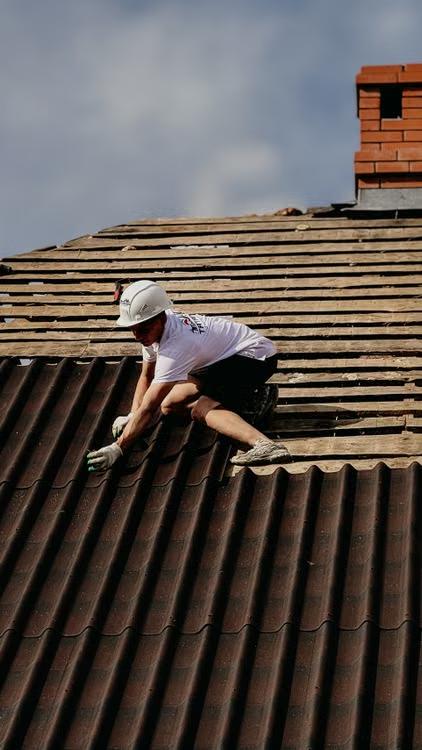
Recurring leaks deserve special attention. A roof that repeatedly develops leaks in different areas may have broader deterioration beneath the visible surface. Water can affect decking, insulation, framing, and interior finishes if moisture continues entering the structure.
A single leak does not automatically mean replacement is necessary. Yet multiple recurring problems can indicate that repairs are addressing symptoms rather than the overall condition of the roofing system.
Assess Material Condition
The material itself can reveal how much service life remains. Asphalt shingles may show granule loss, cracking, curling, or missing sections. Metal roofing can develop corrosion, damaged coatings, loose fasteners, or seam problems. Tile may crack or shift, while other materials can show different signs of aging.
The extent and distribution of damage matter. A small damaged section may be repairable, but widespread deterioration can make replacement more reasonable from a long-term planning standpoint.
Think About Long-Term Value
Repairing an aging roof may reduce immediate spending, but replacement can provide a longer period before another major roofing expense becomes necessary. Homeowners should compare the expected remaining life after repair with the anticipated service life of a new system.
This comparison is especially useful when a roof is already near the end of its expected lifespan. Spending repeatedly on an aging roof may not provide the same value as investing in a replacement, particularly when several components are deteriorating.
Factor in Weather Exposure
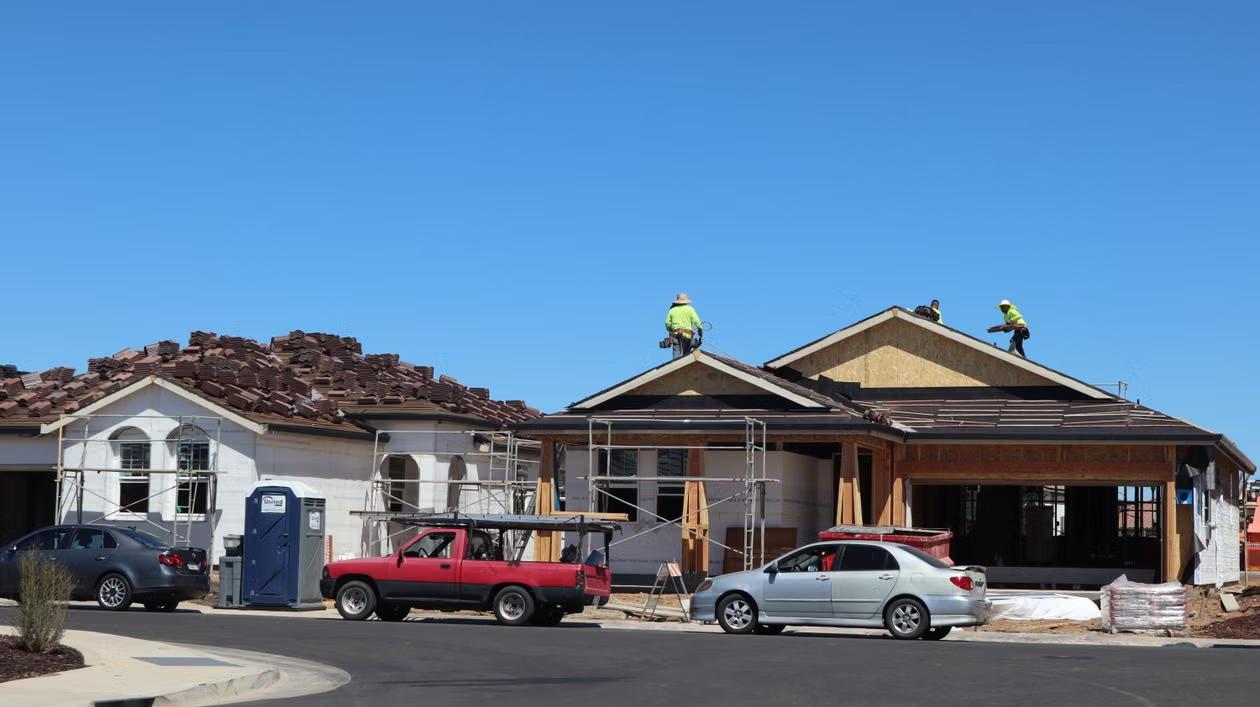
Weather can accelerate roofing wear. Strong sun, wind, hail, rain, snow, and repeated temperature changes can affect roofing materials over time. Local conditions also matter. A roof exposed to frequent storms or heavy seasonal weather may require more frequent inspections and maintenance than a roof in a more protected setting.
After significant weather events, checking for damaged shingles, flashing, vents, and other components can help homeowners identify problems early.
Get a Professional Assessment
Before deciding whether to repair or replace roof systems, have the roof evaluated rather than relying only on visible damage from the ground. A professional inspection can assess the surface, flashing, drainage, ventilation, and accessible underlying components.
Ask about the roof’s current condition, estimated remaining life, repair scope, and likely future maintenance needs. A clear assessment can help separate a manageable repair from signs of broader failure.
Taking time to compare these factors can help you avoid unnecessary spending while keeping your home protected through future seasons.
Make the Decision Based on the Whole Picture
There is no single rule for every aging roof. Repair may make sense when damage is limited, the structure remains sound, and substantial service life is left. Replacement may be worth considering when problems are widespread, repairs keep recurring, or the roof is approaching the end of its expected life.
If you are weighing roof repair, roof replacement, or roofing services in Boise, a professional assessment can help you understand your options and plan the next step. Reach out to Empire Renovations for dependable roofing guidance and a practical solution for your home. Contact us today.