
What if the biggest roofing mistake is not choosing the wrong shingles, but waiting too long to plan?
A roof replacement is rarely a small home project. It affects your budget, schedule, comfort, exterior appearance, and the protection your home provides against the elements.
Approximately 2.3 million single-family detached homes are expected to require roof replacement each year over the next decade.
That is why thoughtful roof replacement planning matters. Instead of waiting for a major leak or rushing into a decision after storm damage, we can use the planning stage to assess the roof, establish a realistic budget, select suitable materials, schedule the work at the right time, and prepare for what happens during installation.
This guide covers the main steps homeowners should consider when planning roof replacement, from the first inspection through final cleanup.
1. Start by Determining Whether Replacement Is Really Necessary
The first step in any roof replacement planning process is confirming that a full replacement is the right solution.
Not every roofing problem requires a new roof. Some issues may be resolved through targeted roof repair in Meridian, ID, particularly when the damage is limited to a small area and the rest of the system remains in good condition. However, repeated repairs can become less practical when the roof is old, widespread damage is present, or the underlying components are beginning to fail.
A professional inspection should assess:
- Shingle condition
- Missing, cracked, curled, or deteriorated roofing materials
- Signs of water intrusion
- Flashing around chimneys, vents, skylights, and roof edges
- Condition of the roof deck
- Attic ventilation
- Signs of sagging or structural concerns
- Moss, algae, or other organic growth
- Previous repair work
- The age and remaining service life of the roofing system
We should also consider the pattern of the problems. A single leak near a damaged flashing point may be repairable. Several leaks across different sections of the roof may indicate that the roofing system is reaching the end of its useful life.
Repair Or Replacement?
A roof replacement may be the better long-term option when:
- Repairs are becoming frequent
- Damage is spread across multiple roof sections
- Shingles are nearing the end of their expected service life
- Water has affected the roof deck or other components
- Storm damage is extensive
- The roof has multiple layers of old materials
- The existing system no longer meets the homeowner’s needs
The goal is not to replace a roof unnecessarily. The goal is to understand the condition of the entire system and make a decision based on its actual performance.
2. Build a Realistic Roof Replacement Budget

Budgeting is one of the most important parts of roof replacement planning. A roof replacement quote is influenced by far more than the visible roofing material.
The final cost can depend on:
- Roof size
- Roof pitch
- Roof design and complexity
- Material selection
- Labor
- Removal and disposal of old roofing
- Roof deck repairs
- Flashing replacement
- Ventilation improvements
- Skylights or other roof penetrations
- Gutters or related exterior work
- Local permit requirements
- Unexpected conditions discovered during tear-off
This is why homeowners should avoid making decisions based only on the lowest initial estimate. A quote that leaves out important components may appear affordable at first but become more expensive once work begins.
Create A Project Budget With Room For Surprises
Even after a detailed inspection, some conditions may not be visible until the old roofing materials are removed. Damaged decking, hidden moisture intrusion, or deteriorated flashing may require additional work.
A practical budget should account for:
- The expected replacement cost
- Removal and disposal
- Necessary repairs to underlying materials
- Ventilation or flashing upgrades
- Potential unforeseen conditions
We should also ask what each estimate includes. Does the price cover tear-off? Disposal? Underlayment? New flashing? Cleanup? Are warranties clearly explained?
A detailed estimate makes it easier to compare proposals fairly.
Consider Financing Carefully
Some homeowners pay for a roof replacement directly from savings, while others use financing. The right choice depends on personal circumstances and the urgency of the project.
If the roof has developed serious damage, delaying work simply to save for a longer period may allow the problem to grow. On the other hand, a homeowner with an aging but still functional roof may have more time to plan and compare payment options.
The key is to understand:
- Total project cost
- Monthly payment
- Interest rate
- Loan term
- Any fees
- Whether the payment fits comfortably within the household budget
Roof replacement planning becomes much easier when the financial side is addressed before the project begins.
3. Choose the Right Roofing Material for Your Home
Material selection affects appearance, durability, maintenance, cost, and expected service life. Homeowners should consider more than color alone.
Asphalt Shingles
Asphalt shingles remain a popular option because they are available in many styles and price ranges. They can provide a practical balance between appearance, cost, and performance.
When comparing asphalt products, look at:
- Shingle quality
- Manufacturer specifications
- Wind resistance
- Warranty terms
- Color and style
- Compatibility with the home’s existing structure
Metal Roofing
Metal roofing can provide long-term durability and a distinctive appearance. It may be appropriate for homeowners who want a roofing system with strong resistance to certain forms of weather exposure and a long service life.
However, metal roofing may have different installation requirements and a higher upfront cost than some asphalt options.
Low-Slope Roofing Materials
Some homes have sections with low-slope or nearly flat roof areas. These sections may require different roofing systems than steeply pitched portions of the home.
The material must be suitable for the roof’s slope and water drainage requirements. A roofing system that works well on one roof design may not be appropriate for another.
Look At The Complete Roofing System
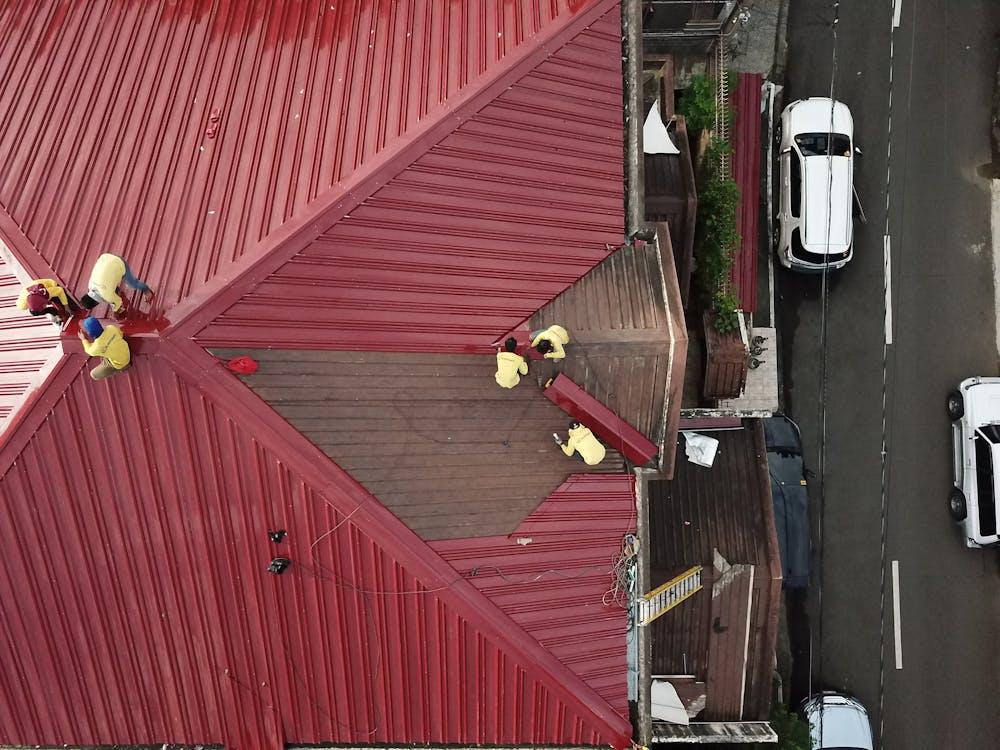
The visible roof covering is only one part of the roof. A complete system may also include:
- Underlayment
- Ice and water protection where appropriate
- Flashing
- Ventilation
- Drip edge
- Ridge caps
- Fasteners
- Roof decking
A high-quality roof replacement depends on the performance of all these components together.
4. Think About Roof Ventilation Before Installation Begins
Ventilation is easy to overlook because most of it is not visible from the ground. However, it can affect moisture control, attic conditions, and the long-term performance of roofing materials.
A properly planned ventilation system may use components such as:
- Soffit vents
- Ridge vents
- Gable vents
- Intake vents
- Baffles
The correct setup depends on the home’s roof design and attic configuration.
Poor ventilation can contribute to excessive heat and moisture in the attic. Moisture may affect insulation, wood components, and the underside of the roof deck. During roof replacement planning, homeowners should ask whether the existing ventilation system is adequate or whether improvements should be included in the project.
Replacing the roof without addressing an underlying ventilation problem may leave an important part of the home’s performance unchanged.
5. Choose the Right Time for the Project
Timing can affect the installation process, scheduling, and the amount of disruption a household experiences.
Homeowners often prefer to schedule roofing work during periods with more predictable weather. However, the best timing can also depend on contractor availability and the condition of the existing roof.
Schedule Before A Minor Problem Becomes A Major One
If the roof is aging but still functional, planning ahead gives us more control over the project. We can compare materials, review estimates, prepare the property, and choose a convenient installation window.
Waiting until a major leak appears may create a much more stressful situation. Emergency work can require faster decisions, and water intrusion may cause damage beyond the roof itself.
Consider Seasonal Conditions
Roofing work can be affected by:
- Rain
- Snow
- Wind
- Extreme temperatures
- Severe storms
A short weather delay is not necessarily a problem. In fact, delaying work during unsuitable conditions may be the better choice for quality and safety.
The important point is to discuss scheduling expectations before the project begins.
6. Get Multiple Estimates, But Compare More Than Price
Getting more than one estimate can help homeowners understand the general scope and cost of the project. However, comparing roofing contractors in Meridian, ID should involve more than placing several numbers side by side.
Ask each contractor:
- What materials are included?
- Will the old roof be removed?
- How will damaged decking be handled?
- What ventilation work is included?
- Are flashing and underlayment included?
- What warranties apply?
- Who will perform the installation?
- How will the property be protected during the project?
- What cleanup is included?
- What happens if hidden damage is discovered?
A lower estimate may not represent the same scope of work as a higher estimate.
We should also look at licensing, insurance, certifications, experience, references, and the clarity of the written proposal.
The best choice is usually the contractor who provides a clear plan, realistic expectations, quality materials, and professional communication.
7. Understand the Roof Replacement Process
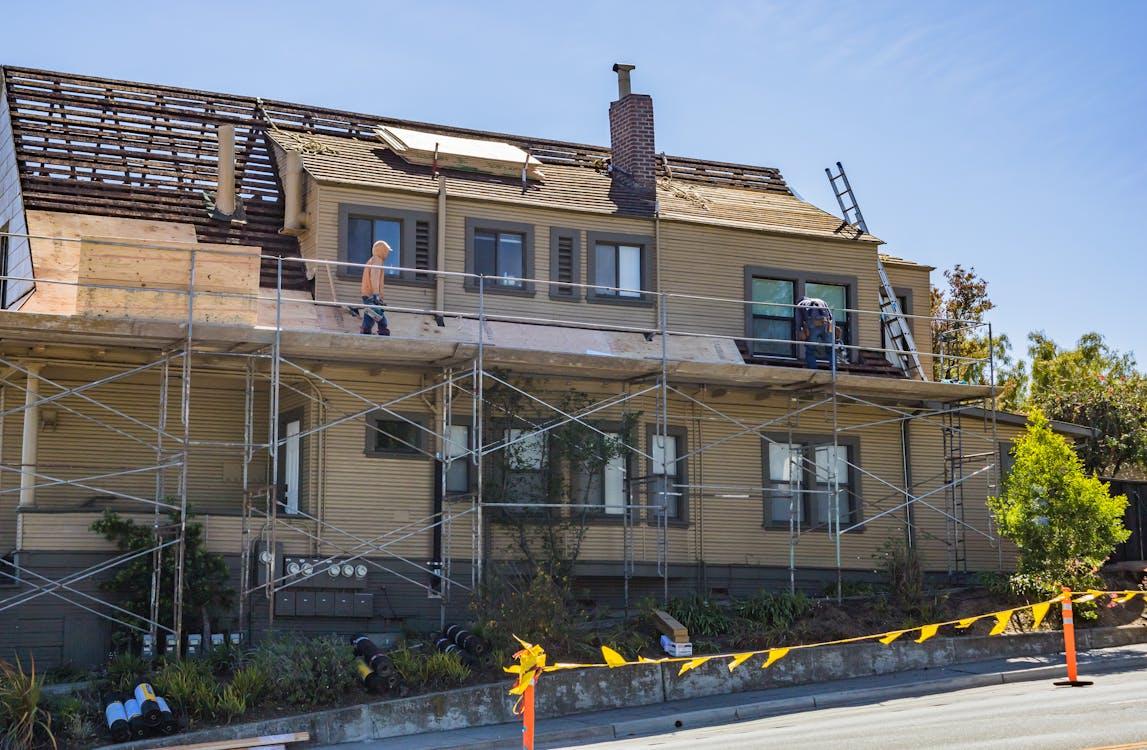
Knowing what will happen can make the project much easier to manage.
While every home is different, a typical replacement may follow these stages.
Step 1: Inspection and consultation
The project begins with an assessment of the existing roof. The contractor reviews the roof’s condition, discusses the homeowner’s goals, and identifies possible concerns.
This is the time to ask questions about:
- Material options
- Project cost
- Estimated timeline
- Warranty coverage
- Potential repairs
- Cleanup
- Payment arrangements
Step 2: Detailed estimate and project planning
Once the roof has been assessed, the homeowner receives a detailed proposal.
The proposal should explain the scope of work and identify the materials and services included.
Before signing, we should read the agreement carefully and make sure the project details are clear.
Step 3: Material ordering and scheduling
After the project is approved, materials are ordered and the installation date is arranged.
Homeowners should confirm:
- Start date
- Expected duration
- Arrival times
- Payment schedule
- Material delivery arrangements
- Weather-related procedures
Step 4: Preparing the property
Roof replacement can create noise and debris. Before work begins, homeowners may need to:
- Move vehicles away from the work area
- Protect fragile items on walls and ceilings
- Move outdoor furniture
- Remove items from patios or areas near the home
- Keep pets indoors or away from the work zone
- Inform neighbors if appropriate
Preparation can reduce disruption during the installation.
Step 5: Tear-off

The old roofing materials are removed so the underlying roof deck can be inspected.
This is one of the most important stages because hidden damage may become visible.
The roof deck should be checked for signs of:
- Rot
- Moisture damage
- Weakness
- Deterioration
Any necessary repairs should be addressed before the new roofing materials are installed.
Step 6: Installation
The new roofing system is installed according to the project specifications.
This may include:
- Roof deck preparation
- Underlayment
- Flashing
- Drip edge
- Roofing material
- Ventilation components
- Ridge caps
- Sealing and finishing details
Quality installation matters just as much as material selection.
Step 7: Inspection and cleanup
After installation, the completed roof should be reviewed. The property should also be cleaned of roofing debris and loose materials.
Homeowners should walk through the finished project with the contractor and ask questions about:
- Final workmanship
- Warranty documents
- Maintenance recommendations
- Any remaining work
- Future inspection needs
A Better Roof Starts With Better Planning
Paint is often viewed as a cosmetic upgrade, but it plays a protective role as well.
What if the best time to think about your next roof is before a leak forces you to?
A well-planned replacement gives homeowners time to assess the existing system, establish a realistic budget, select appropriate materials, compare qualified contractors, prepare the property, and understand each stage of the work. Whether you are deciding between roof repair and roof replacement in Meridian, ID or preparing for a complete new roofing system, planning helps you make decisions based on the actual needs of your home rather than pressure from an emergency.
For homeowners who want professional guidance from the first inspection through project completion, Empire Renovations brings more than 18 years of experience, licensed and insured service, factory-trained crews, manufacturer-certified roofing expertise, and premium roofing systems to residential projects. The team offers a free consultation and estimate, helping homeowners understand their options and plan the work with clear communication from the beginning.
Contact Empire Renovations to discuss your roof replacement needs, review your home’s condition, and get a practical plan for moving forward with quality materials and certified workmanship.