
A residential roof is one of the most critical components of any home. It protects against weather, enhances curb appeal, and contributes to overall structural integrity. Choosing the right roofing system involves more than selecting materials. Homeowners must evaluate durability, climate suitability, maintenance needs, and long-term costs. Working with experienced roofing contractors ensures that every aspect of installation and upkeep is handled with precision. This guide explores roofing materials, essential maintenance practices, and expected lifespans to help homeowners make informed decisions.
Understanding Residential Roofing Systems
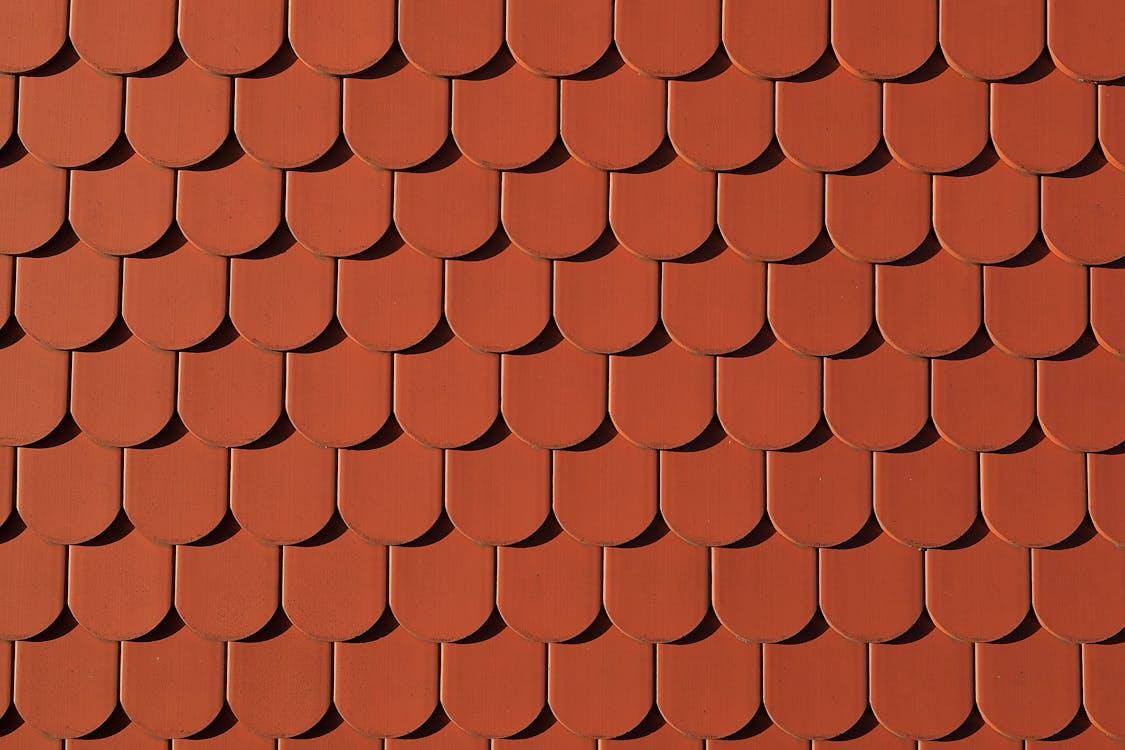
A roofing system is more than just shingles or tiles. It is a layered structure designed to provide protection, insulation, and ventilation. Each layer plays a specific role in maintaining the roof’s performance.
Key Components of a Roofing System
A typical residential roofing system includes:
- Roof Decking:The structural base, usually made from plywood or oriented strand board
- Underlayment:A protective barrier that prevents moisture infiltration
- Roof Covering:The visible outer layer such as shingles, tiles, or metal panels
- Flashing:Metal strips that prevent water intrusion at joints and edges
- Ventilation System:Allows airflow to regulate temperature and moisture levels
Understanding these components helps homeowners recognize the importance of proper installation and regular inspections.
Popular Residential Roofing Materials
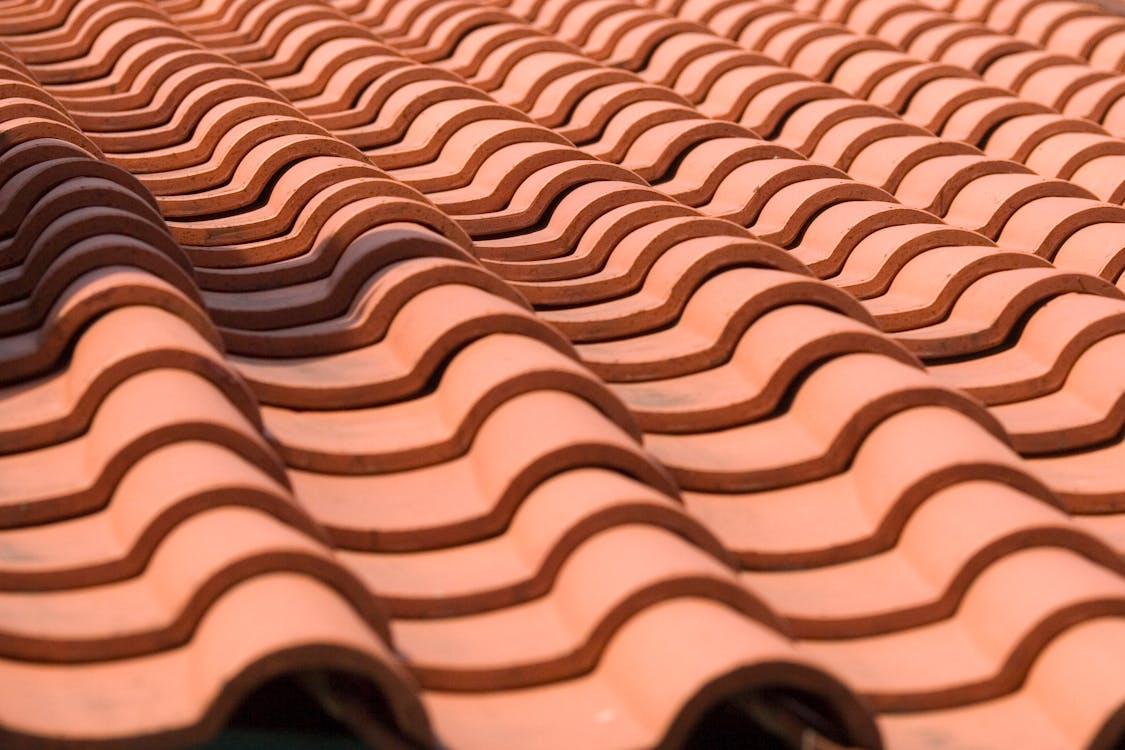
Selecting the right roofing material depends on budget, climate, and aesthetic preferences. Each material offers distinct advantages and limitations, and understanding these differences helps homeowners make informed, long-term decisions.
Asphalt Shingles
Asphalt shingles are the most widely used roofing material in residential construction.
Advantages:
• Affordable and widely available
• Easy to install and repair
• Available in various colors and styles
Limitations:
• Moderate lifespan compared to premium materials
• Susceptible to damage in extreme weather conditions
Lifespan: 15 to 30 years
In addition to their affordability, asphalt shingles are relatively lightweight, which means they do not require additional structural reinforcement. They are also compatible with a wide range of roof designs, making them a practical choice for many homeowners. Architectural shingles, a premium variation, offer enhanced durability and improved visual depth compared to traditional three-tab shingles.
Metal Roofing
Metal roofs have gained popularity due to their durability and modern appearance.
Advantages:
• Long lifespan and high durability
• Resistant to fire, insects, and rot
• Energy-efficient due to reflective properties
Limitations:
• Higher upfront cost
• Can be noisy during heavy rain if not properly insulated
Lifespan: 40 to 70 years
Metal roofing is also valued for its low maintenance requirements. It performs well in extreme weather conditions, including high winds and heavy snowfall. Many systems are made from recyclable materials, making them an environmentally conscious option. Additionally, coated metal panels can resist corrosion and fading, which helps maintain their appearance over time.
Clay and Concrete Tiles
These materials are known for their distinctive appearance and longevity.
Advantages:
• Exceptional durability
• Resistant to fire and harsh weather
• Low maintenance requirements
Limitations:
• Heavy weight requires strong structural support
• Higher installation costs
Lifespan: 50 to 100 years
Clay and concrete tiles are especially popular in regions with warm climates. Their thermal properties help regulate indoor temperatures, improving energy efficiency. However, installation must be handled carefully due to their weight and fragility. Individual tiles may crack under impact, but they can often be replaced without affecting the entire roof.
Wood Shingles and Shakes
Wood roofing offers a natural and rustic aesthetic.
Advantages:
• Attractive and environmentally friendly
• Good insulation properties
Limitations:
• Requires regular maintenance
• Vulnerable to fire and moisture damage
Lifespan: 20 to 40 years
Wood shingles and shakes can enhance the character of a home, particularly in traditional or cottage-style architecture. Proper treatment and maintenance are essential to protect against mold, rot, and insect damage. Periodic sealing and cleaning can significantly extend their usability and preserve their natural appearance.
Slate Roofing
Slate is considered one of the most premium roofing materials available.
Advantages:
• Extremely durable and long-lasting
• Elegant and timeless appearance
• Fire-resistant and environmentally friendly
Limitations:
• Very high cost
• Requires specialized installation
Lifespan: 75 to 150 years
Slate roofing is often viewed as a long-term investment due to its exceptional lifespan. It can significantly increase property value and requires minimal maintenance when properly installed. Its natural stone composition also provides excellent resistance to weathering and temperature fluctuations.
Factors That Influence Roofing Material Selection
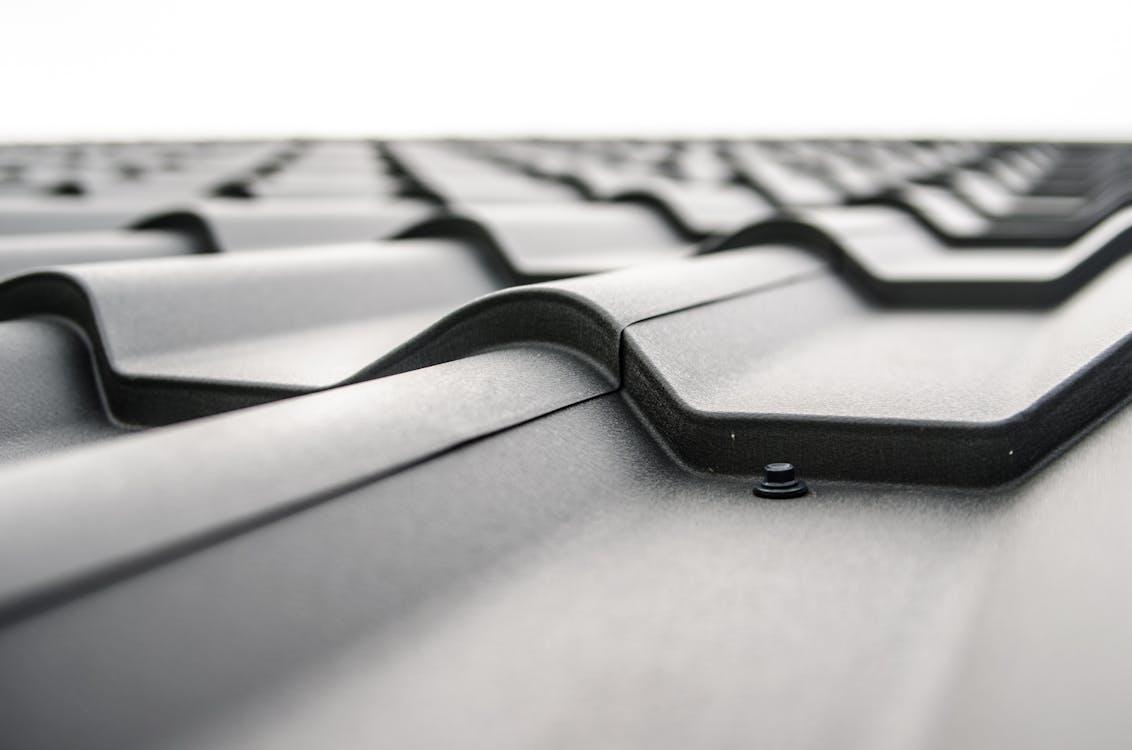
Choosing the right material involves evaluating several critical factors. A balanced approach ensures the selected roofing system meets both functional and aesthetic requirements.
Climate Considerations
Different materials perform better in specific climates. For example:
• Metal roofing is ideal for areas with heavy snowfall
• Clay tiles perform well in hot and dry climates
• Asphalt shingles are versatile but may struggle in extreme heat
In regions with frequent storms, impact-resistant materials may be a better choice. Climate-specific performance should always be a primary consideration, as environmental stress directly affects longevity.
Budget and Long-Term Value
While some materials have higher upfront costs, they may offer better long-term value due to reduced maintenance and longer lifespans. Homeowners should consider lifecycle costs rather than focusing solely on initial expenses. Investing in durable materials can reduce repair frequency and improve overall cost efficiency. Financing options and warranties may also influence decision-making.
Aesthetic Appeal
The roof significantly impacts a home’s exterior appearance. Selecting a material that complements the architectural style is essential. For example, slate suits traditional homes, while metal roofing often complements modern designs. Color selection also plays a role in enhancing curb appeal and energy efficiency. Lighter colors can reflect heat, while darker tones may create a more dramatic visual effect.
Structural Support
Heavier materials such as slate and tile require additional structural reinforcement. A professional assessment ensures the home can support the chosen material. Ignoring structural requirements can lead to safety issues and costly modifications later. Proper evaluation before installation helps avoid complications and ensures long-term stability. Additionally, older homes may require upgrades to framing or decking before heavier materials can be installed safely.
Roof Installation Best Practices
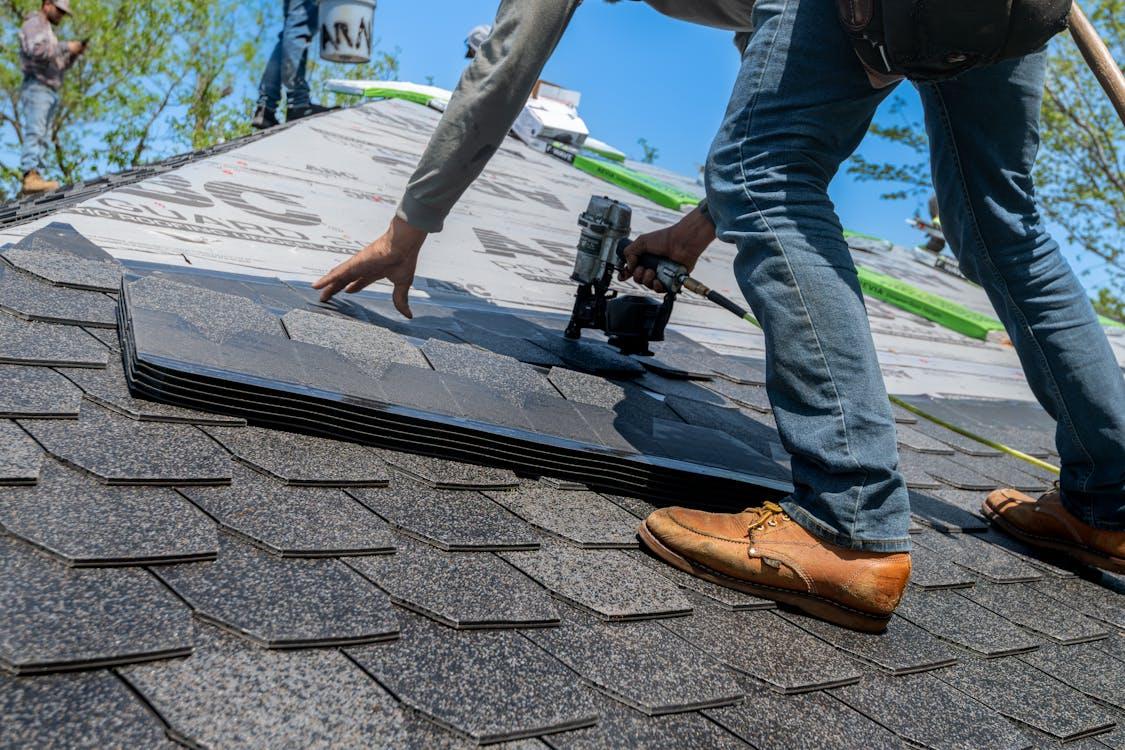
Proper installation is critical for maximizing a roof’s performance and lifespan. Precision during installation directly impacts how well the system resists weather, manages moisture, and maintains structural integrity over time.
Importance of Professional Installation
Even high-quality materials can fail if installed incorrectly. Professional installation ensures:
• Proper sealing and waterproofing
• Correct alignment and fastening
• Compliance with local building codes
Experienced contractors also understand regional climate demands, which allows them to select appropriate installation techniques and materials that perform well in specific conditions.
Common Installation Mistakes to Avoid
- Improper underlayment placement
• Inadequate ventilation
• Poor flashing installation
• Incorrect nail placement
These issues can lead to leaks, reduced lifespan, and costly repairs. Improper slope considerations and rushed installation timelines can also compromise durability. Attention to detail during every stage of installation is essential for long-term performance.
Roof Maintenance Essentials
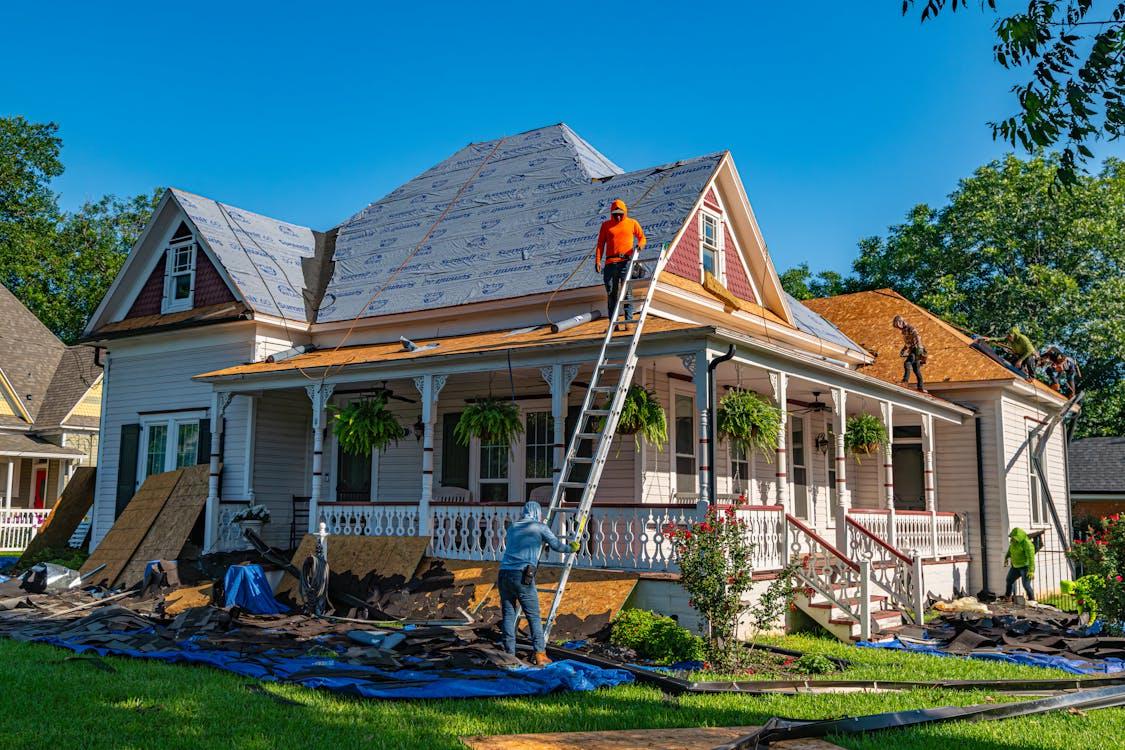
Regular maintenance is key to extending the life of a roofing system. A proactive approach helps identify minor issues before they escalate into significant structural problems.
Routine Inspections
Homeowners should inspect their roofs at least twice a year, ideally in spring and fall. Inspections should focus on:
• Missing or damaged shingles
• Signs of water damage
• Debris accumulation
• Condition of flashing and vents
Professional inspections every few years can provide a more detailed assessment, especially after severe weather events.
Cleaning and Debris Removal
Leaves, branches, and dirt can trap moisture and lead to deterioration. Keeping the roof clean prevents long-term damage. Moss and algae growth should also be addressed promptly to avoid material degradation.
Gutter Maintenance
Clogged gutters can cause water to back up onto the roof, increasing the risk of leaks. Regular cleaning ensures proper drainage and prevents foundation issues caused by water overflow.
Addressing Minor Repairs Promptly
Small issues such as cracked shingles or loose flashing should be repaired immediately to prevent more extensive damage. Timely intervention helps maintain the roof’s structural integrity and reduces long-term repair costs.
Signs Your Roof Needs Repair or Replacement
Recognizing early warning signs can save homeowners from costly repairs.
Common Warning Signs
- Water stains on ceilings or walls
• Missing or curling shingles
• Sagging roof structure
• Granule loss from shingles
• Increased energy bills due to poor insulation
Unusual odors in the attic or visible daylight through roof boards may also indicate underlying problems.
When to Consider Replacement
If a roof is nearing the end of its lifespan or has widespread damage, replacement may be more cost-effective than ongoing repairs. Repeated leaks and frequent patchwork are strong indicators that a full replacement is necessary.
Roof Ventilation and Its Importance
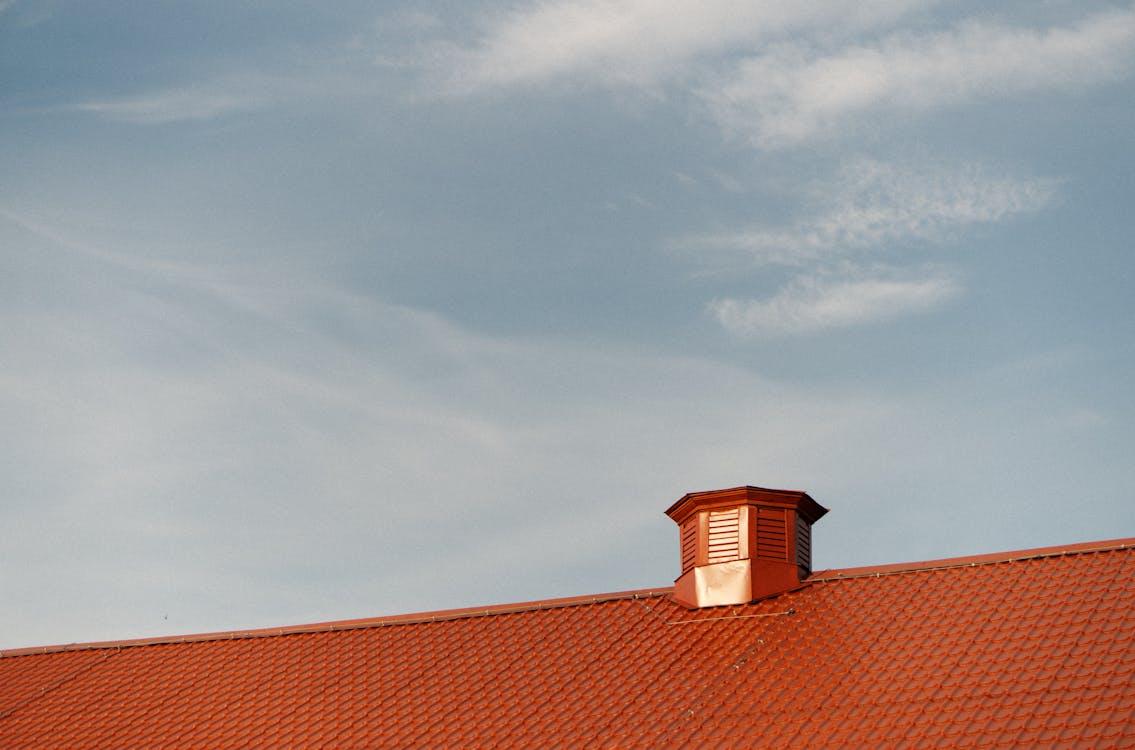
Proper ventilation plays a crucial role in maintaining a healthy roofing system.
Benefits of Adequate Ventilation
- Prevents moisture buildup
• Reduces heat accumulation in the attic
• Extends the lifespan of roofing materials
• Improves energy efficiency
Proper airflow also helps regulate indoor comfort and reduces strain on HVAC systems.
Types of Roof Ventilation
- Ridge vents
• Soffit vents
• Gable vents
• Powered attic fans
A balanced ventilation system ensures optimal airflow throughout the attic. Combining intake and exhaust vents creates a continuous air cycle that enhances performance.
Energy Efficiency and Roofing
Modern roofing systems contribute significantly to a home’s energy efficiency.
Cool Roofing Options
Cool roofs reflect more sunlight and absorb less heat, reducing cooling costs. Materials such as metal and reflective shingles are effective choices. These options are particularly beneficial in warmer climates where heat gain is a concern.
Insulation and Energy Savings
Proper insulation works in conjunction with the roofing system to maintain indoor temperature and reduce energy consumption. High-quality insulation minimizes heat transfer and improves year-round comfort.
Seasonal Roofing Considerations
Different seasons present unique challenges for residential roofs.
Winter Challenges
- Snow accumulation can add significant weight
• Ice dams can cause water infiltration
Summer Challenges
- High temperatures can cause material expansion
• UV exposure can degrade roofing materials over time
Storm Preparedness
Regular maintenance and inspections help ensure the roof can withstand severe weather conditions. Reinforcing vulnerable areas before storm season can prevent costly damage.
Cost Breakdown of Residential Roofing
Understanding the cost components helps homeowners plan effectively.
Key Cost Factors
- Material selection
• Labor and installation
• Roof size and complexity
• Structural repairs if needed
Additional costs may include permits, disposal of old materials, and upgrades to ventilation or insulation systems.
Long-Term Investment Perspective
A higher initial investment in durable materials can reduce maintenance costs and extend the roof’s lifespan, offering better value over time. Evaluating lifecycle costs provides a clearer picture of overall value.
Sustainable Roofing Options
Sustainability is becoming an important consideration for homeowners.
Eco-Friendly Materials
- Recycled metal roofing
• Composite shingles made from recycled materials
• Wood sourced from sustainable forests
Green roofing solutions such as solar-integrated systems are also gaining popularity for energy-conscious homeowners.
Benefits of Sustainable Roofing
- Reduced environmental impact
• Improved energy efficiency
• Potential tax incentives in some regions
Sustainable options often enhance property value while supporting long-term environmental goals.
Working with Roofing Professionals
Choosing the right contractor is essential for a successful roofing project.
What to Look for in a Contractor
- Proper licensing and insurance
• Strong reputation and reviews
• Transparent pricing and contracts
• Experience with specific roofing materials
A qualified contractor will also provide detailed estimates and clear communication throughout the project.
Questions to Ask Before Hiring
- What warranties are offered
• What is the project timeline
• How will unexpected issues be handled
Understanding these details helps set realistic expectations and ensures accountability.
A reliable contractor ensures quality workmanship and peace of mind.
Extending the Lifespan of Your Roof
Maximizing the lifespan of a roofing system requires consistent care and proactive measures.
Best Practices
- Schedule regular professional inspections
• Keep gutters and drainage systems clear
• Ensure proper attic ventilation
• Address repairs immediately
Regular documentation of maintenance activities can also help track the roof’s condition over time.
Preventive Measures
Preventive maintenance is more cost-effective than reactive repairs. Investing time in regular upkeep helps avoid major issues and extends the roof’s durability. Long-term performance depends on consistent attention, quality materials, and professional care.
Building Long-Term Value with a Reliable Roofing System
A well-maintained roofing system protects your home, enhances its value, and provides long-term reliability. By understanding materials, maintenance strategies, and lifespan expectations, homeowners can make informed decisions that align with their needs and budget.
Protect Your House with Reliable Roofing Services from Empire Renovations
Protect your home with expert roof repair in Boise, Meridian, Nampa, and Caldwell, along with dependable residential roofing solutions. Our skilled roofing contractors deliver quality workmanship every time. Call Empire Renovations today to schedule your service and secure your home.